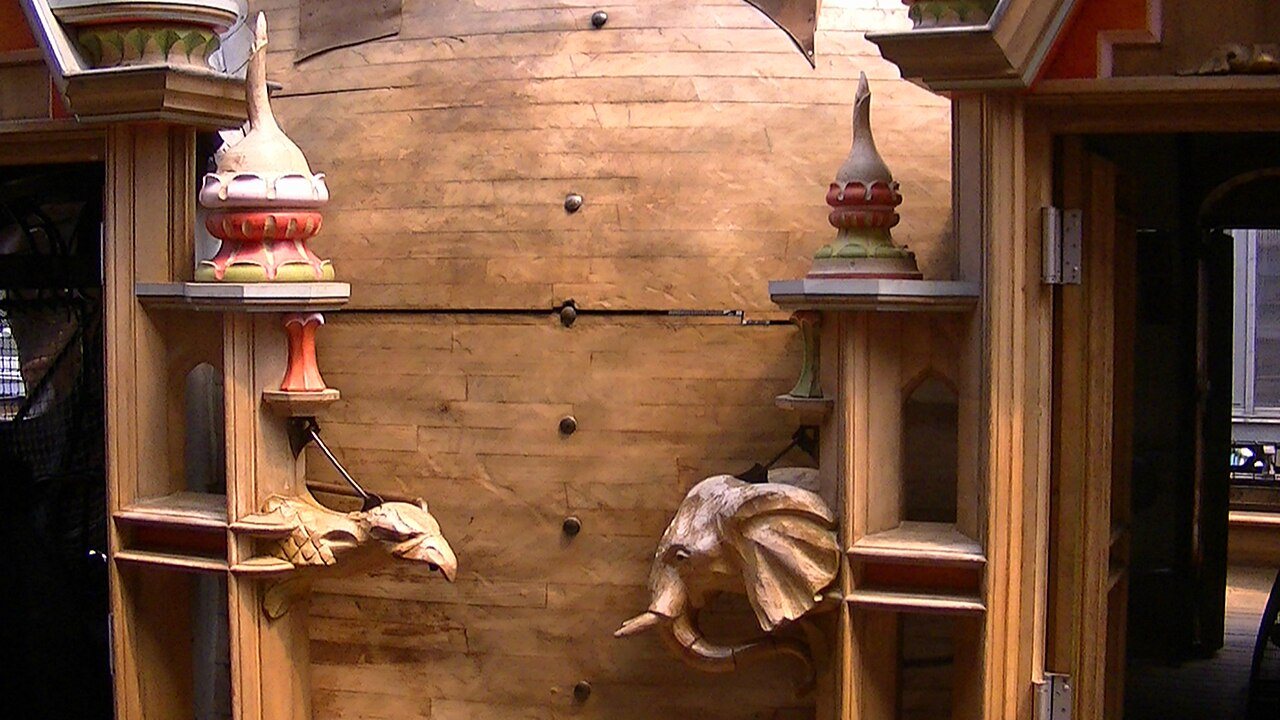
What Nantes is
Nantes sits on the Loire about fifty kilometres from the Atlantic, and it was built by what moved through that river — sugar, salt, ships, and for most of the eighteenth century enslaved people. It was the capital of the dukes of Brittany, and it is still the city Brittany argues about, because the administrative region it sits in is not Brittany.
The shipyards on the island closed in 1987. What the city did next is the reason to come: it kept the sheds and the cranes and filled them with enormous working machines, turned the LU biscuit factory into an arts centre, and ran a green line along the pavement to join it all up.
It also, late and deliberately, built a memorial on the quay the slaving ships left from — two thousand glass plaques set into the ground, one for each expedition.
Nantes at a glance
| Country | France · Loire-Atlantique, historically Brittany |
|---|---|
| Population | ~320,000 in the commune; about a million in the metropolitan area |
| On the river | The Loire, about 50 km from the Atlantic |
| Language | French. English is common in the centre, less so across the water |
| Getting around | Three tram lines and a river shuttle on the same ticket |
| Closing day | Most museums shut on Monday or Tuesday — check which |
| History | France's largest slaving port. The city marks it on the quay |
Start here
Twelve sections as twelve engraved plates bolted to a steel frame — because this city's whole argument is that it kept the machinery and let you walk into it.
All twenty sights
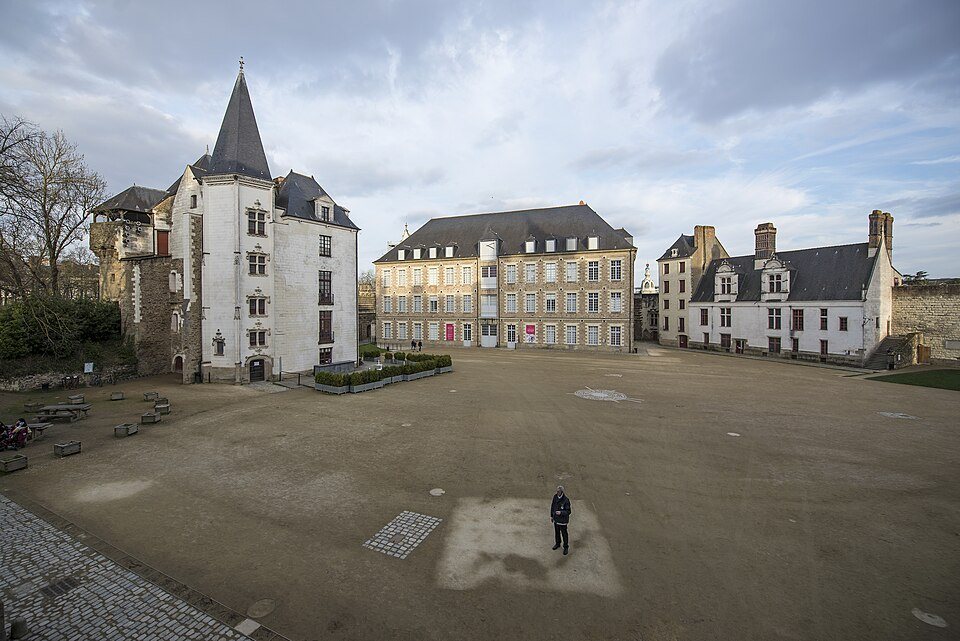 Château des Ducs de Bretagne
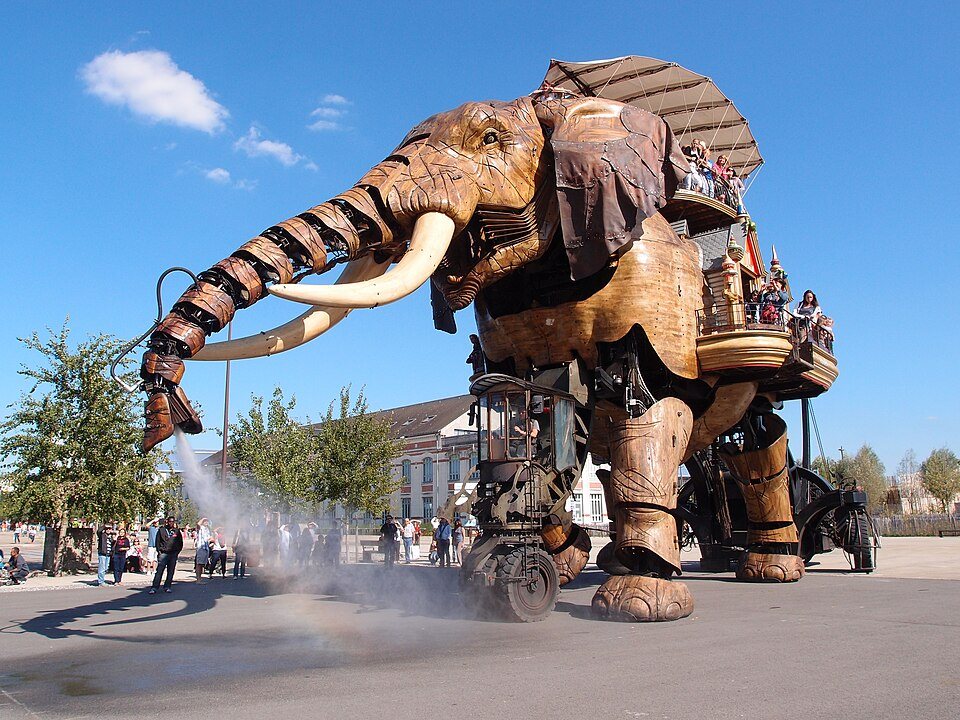 Les Machines de l'Île
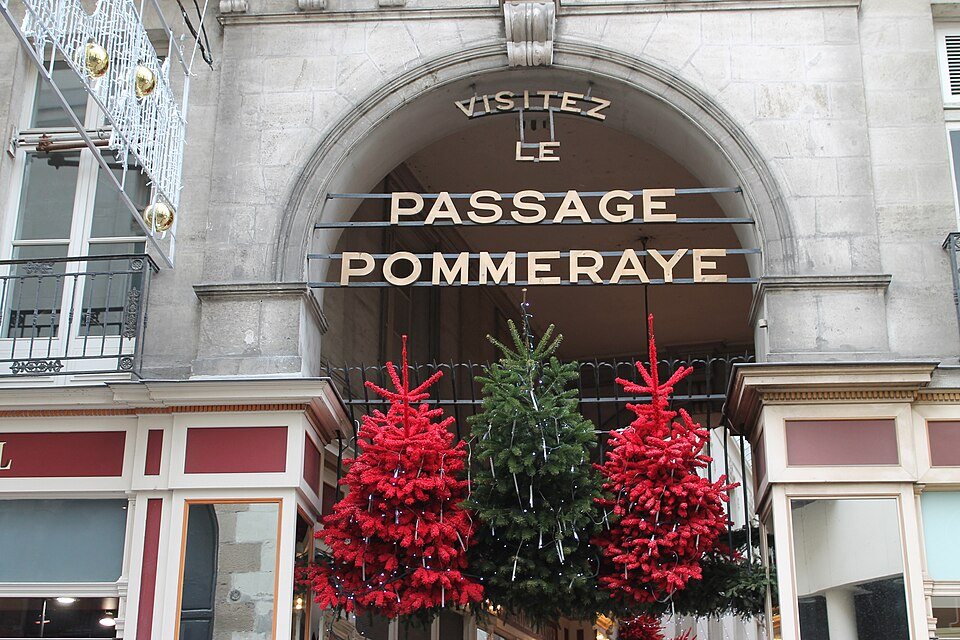 Passage Pommeraye
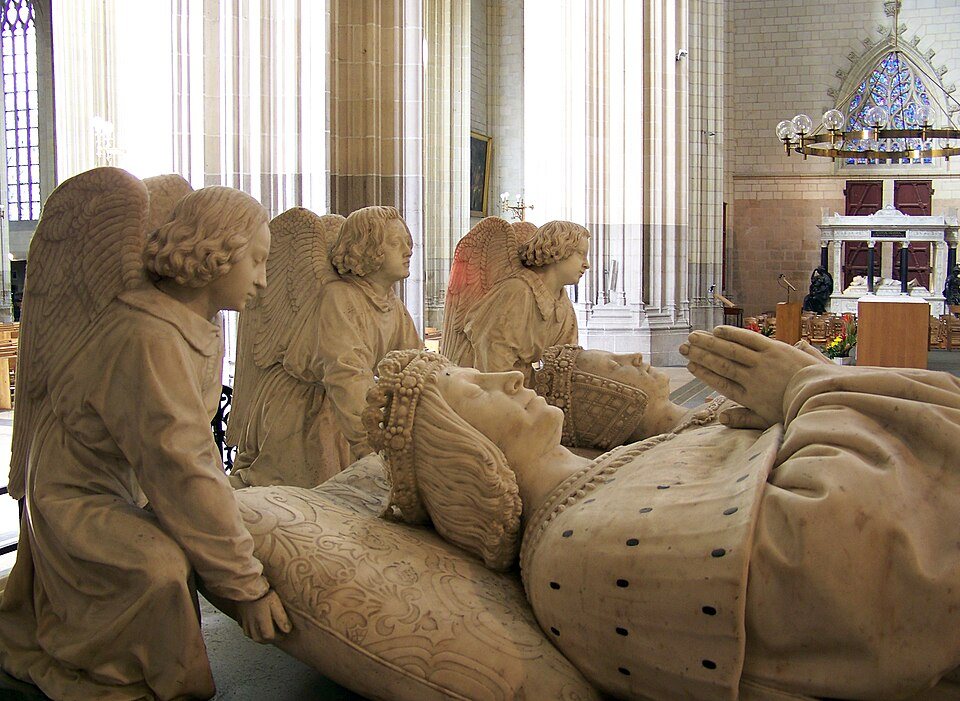 Cathédrale Saint-Pierre-et-Saint-Paul
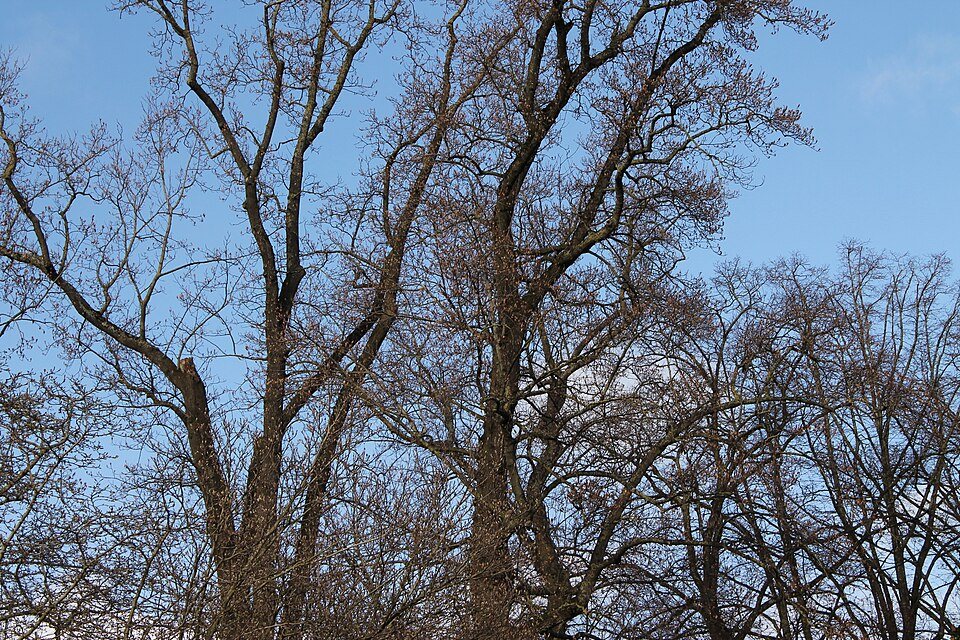 Jardin des Plantes
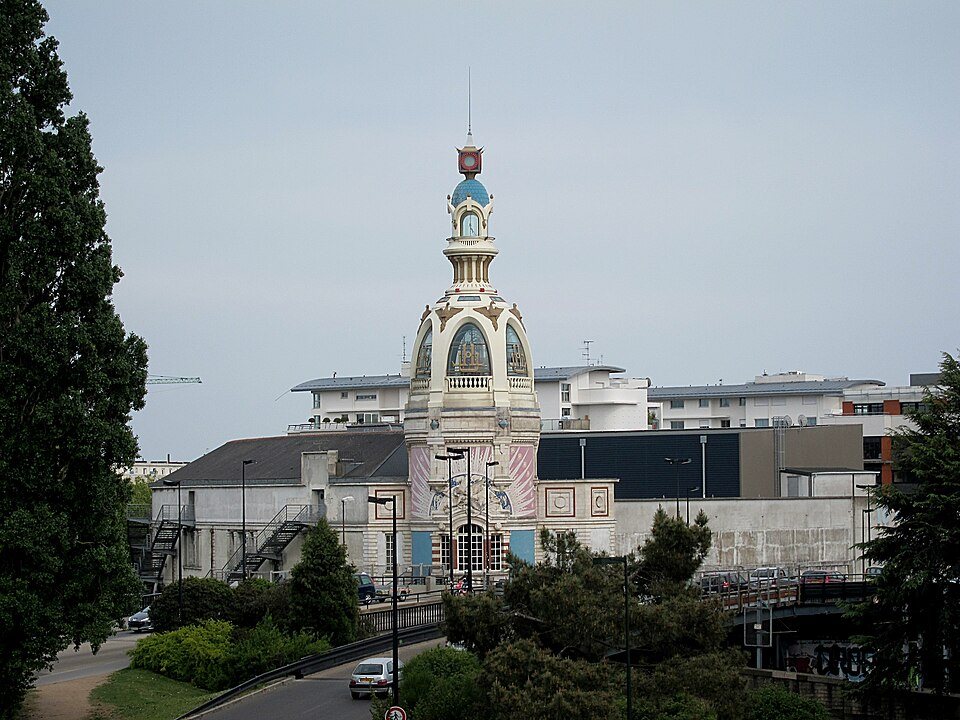 Le Lieu Unique
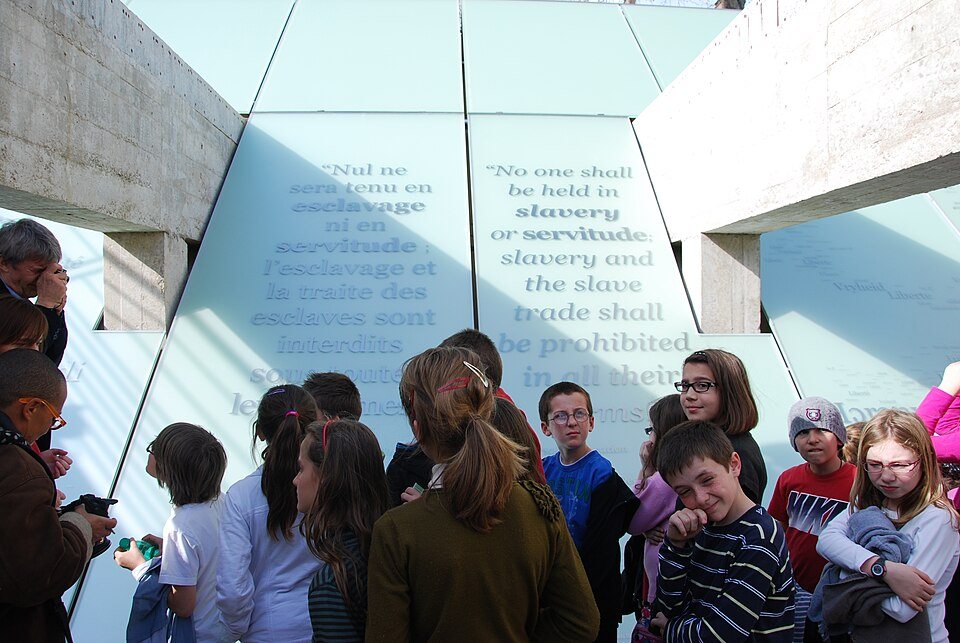 Mémorial de l'Abolition de l'Esclavage
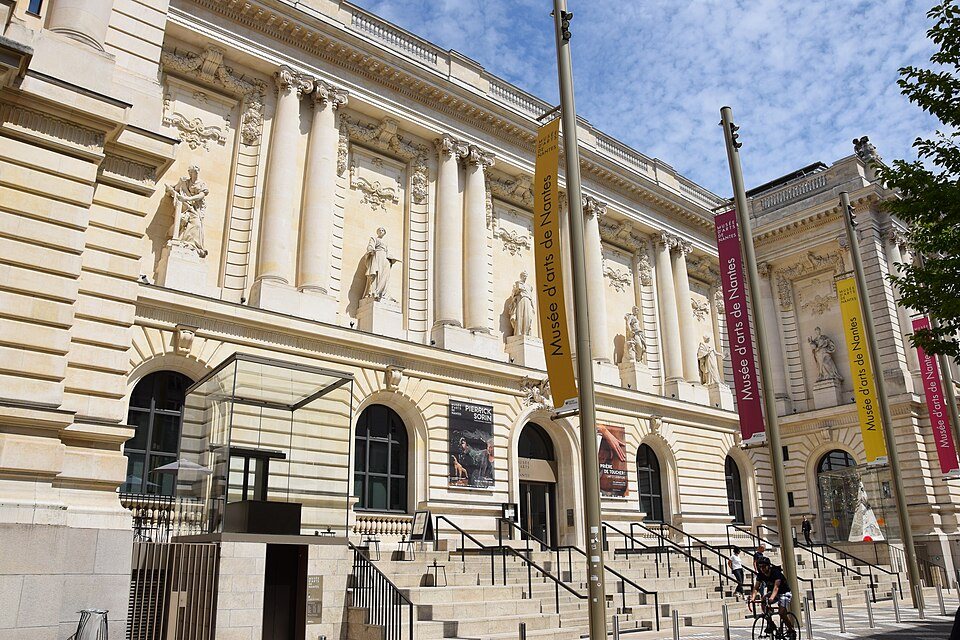 Musée d'Arts de Nantes
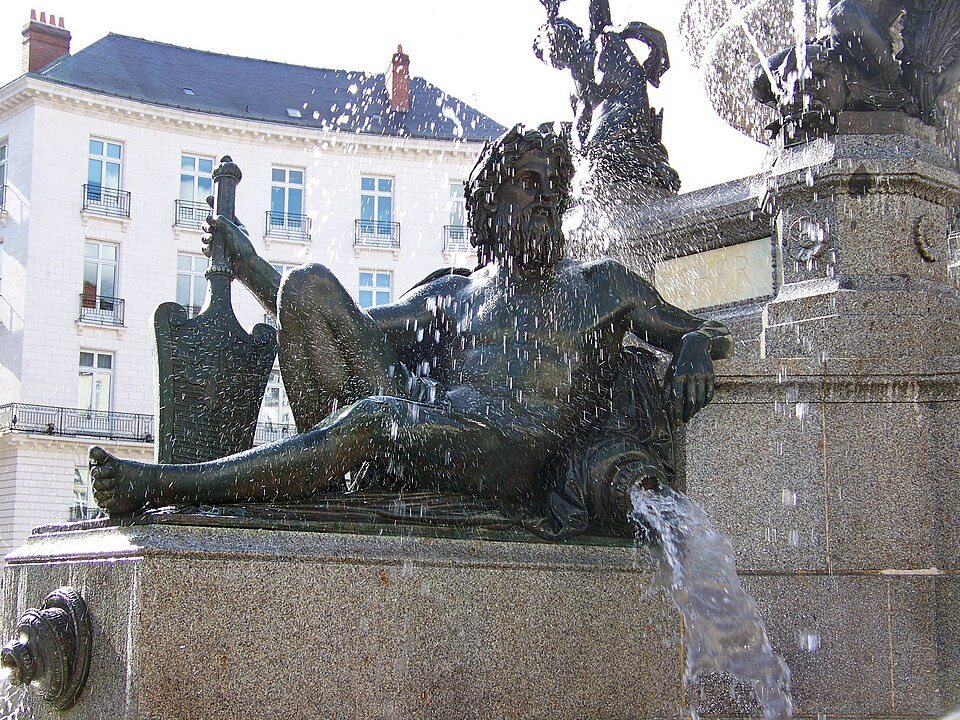 Place Royale
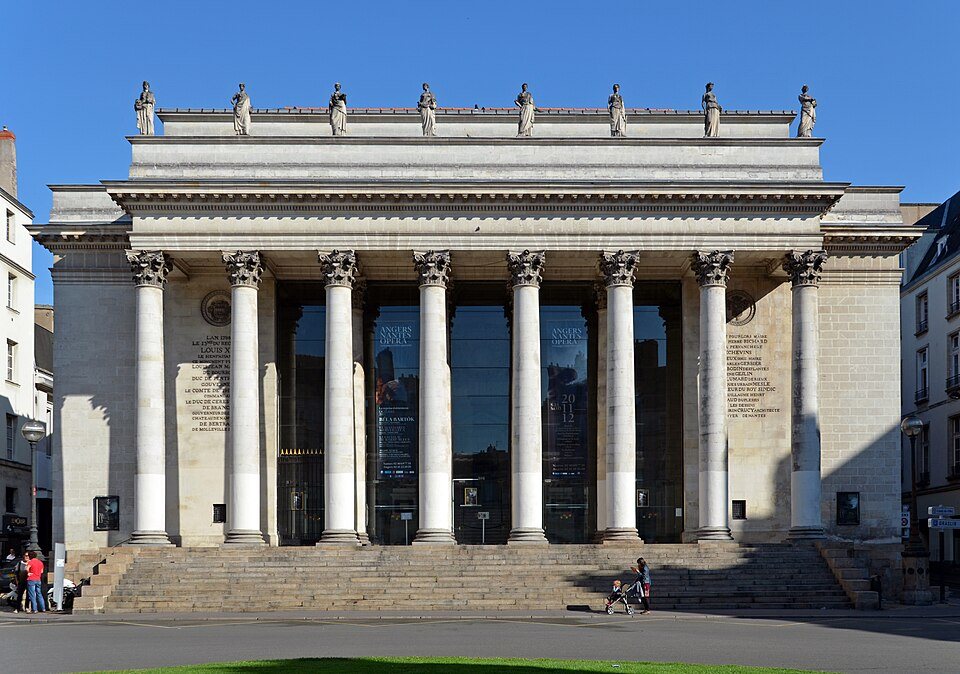 Place Graslin & the Théâtre
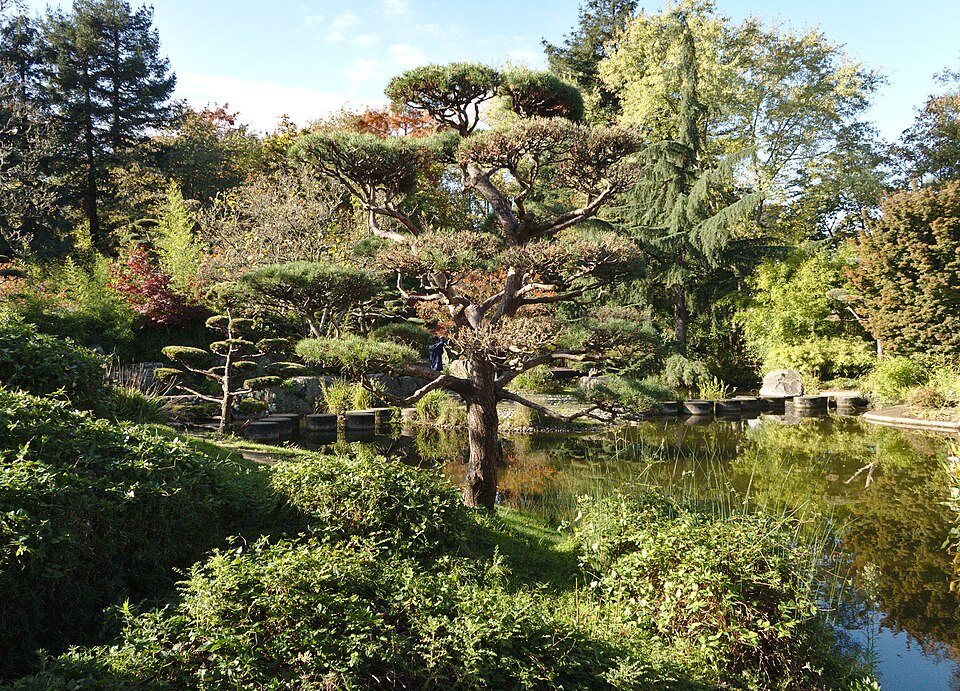 Île de Versailles
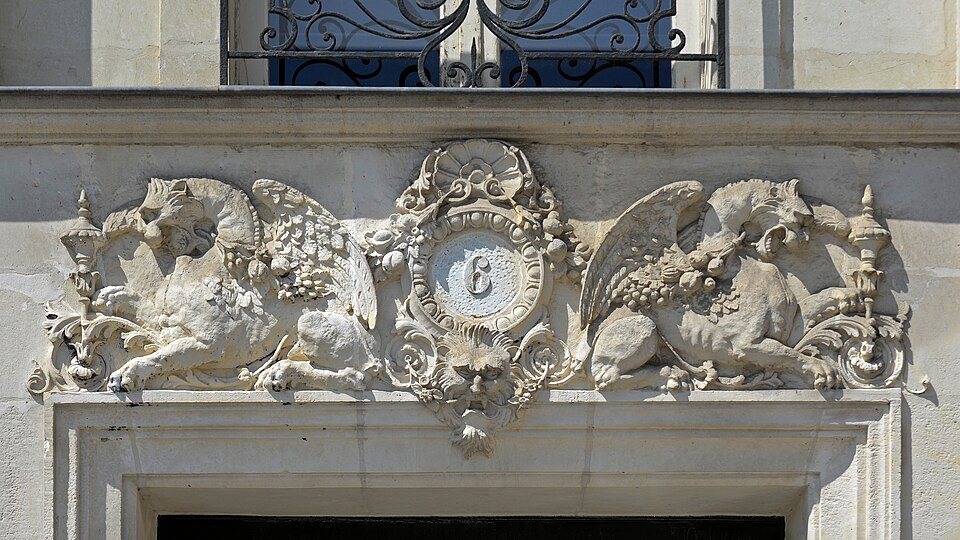 Quartier Bouffay
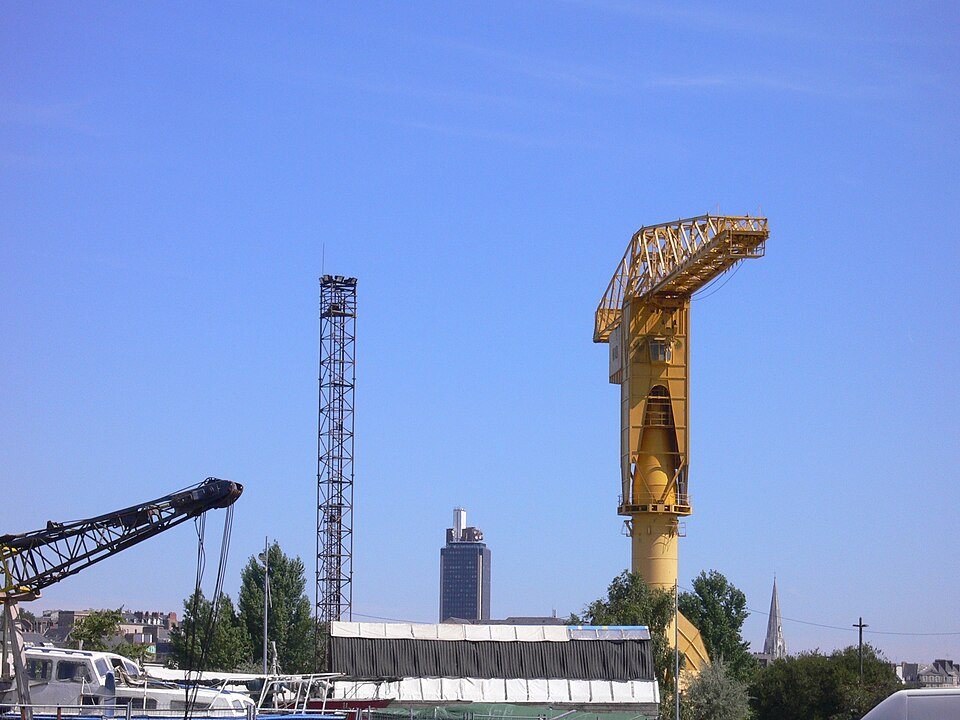 Tour Bretagne
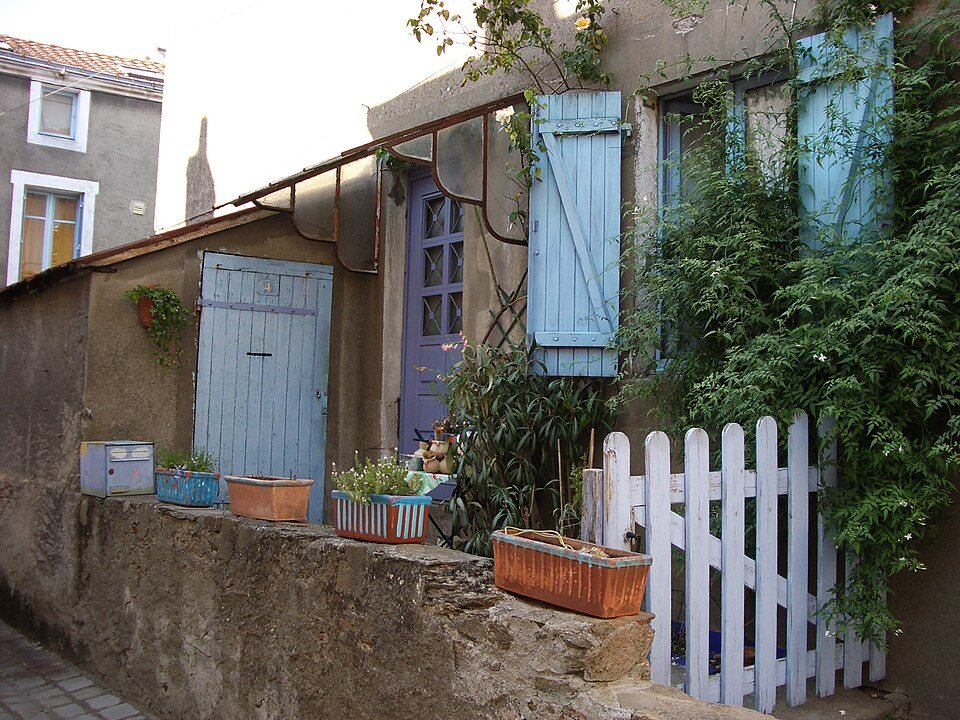 Trentemoult
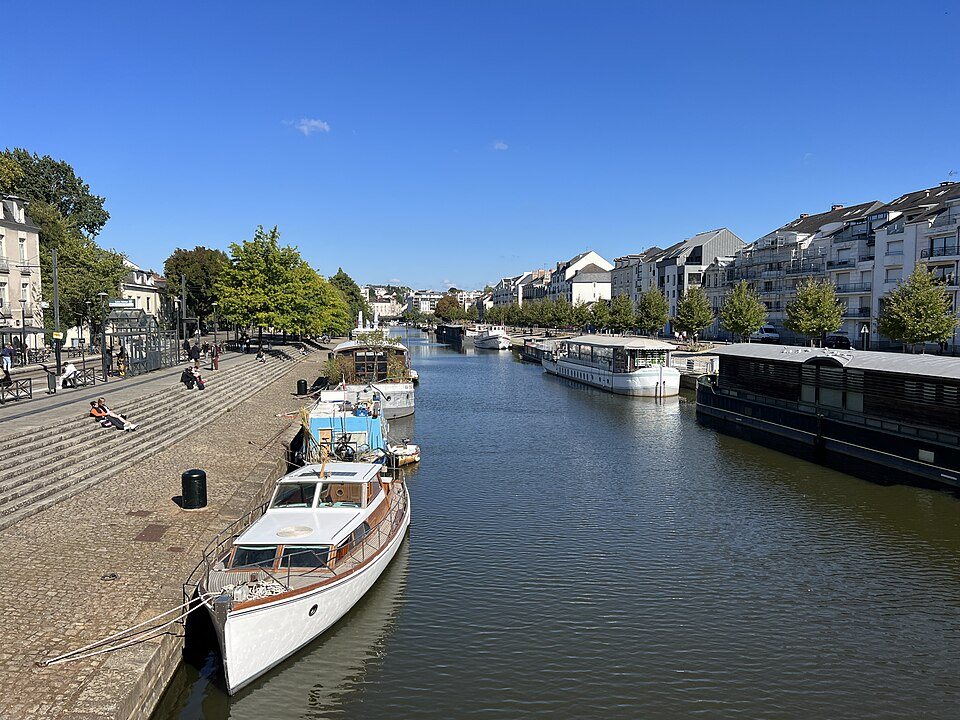 The Erdre
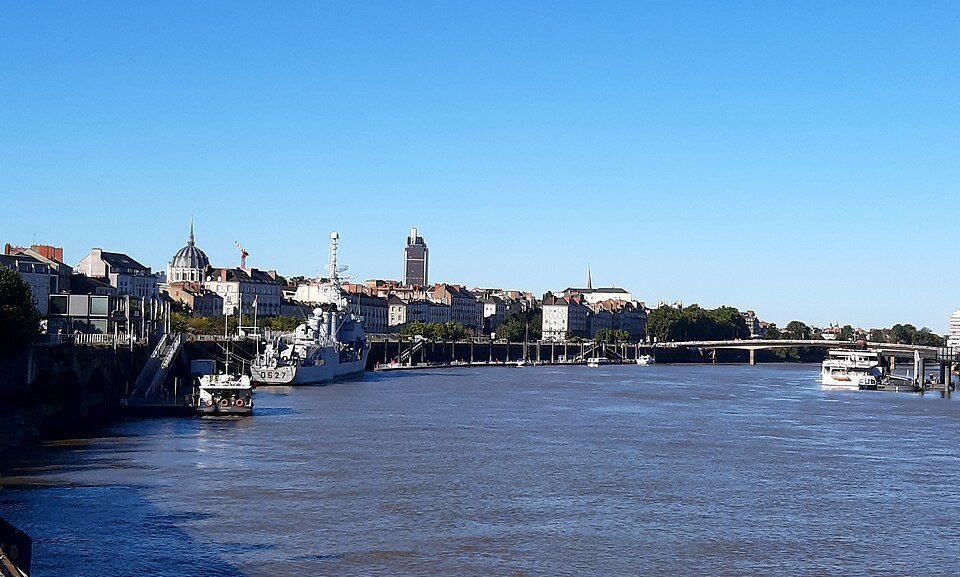 Quai de la Fosse
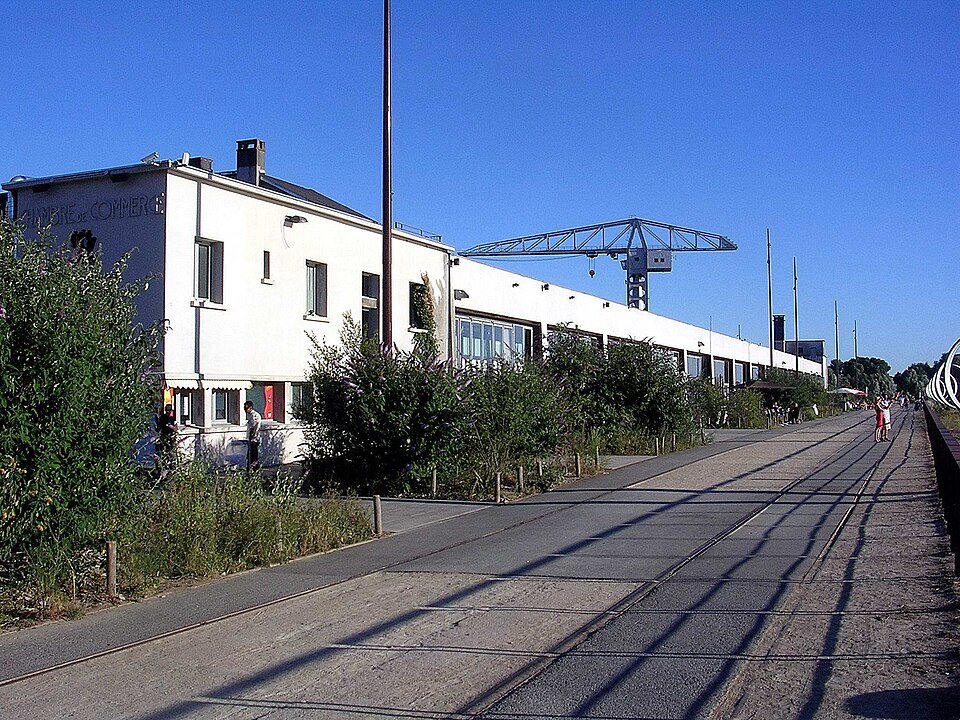 Hangar à Bananes & the Rings
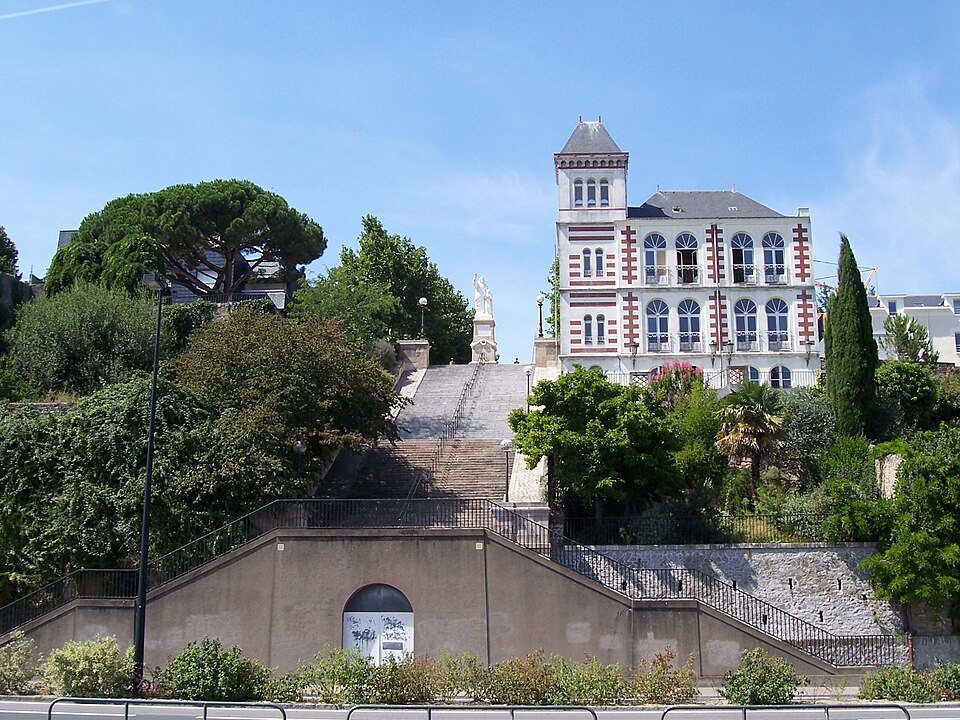 Musée Jules Verne
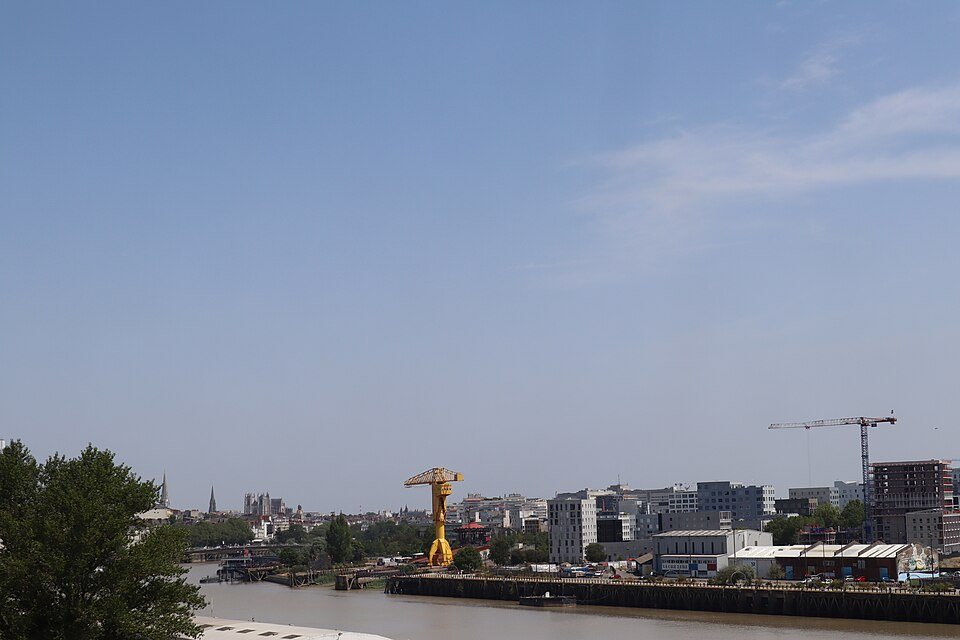 Butte Sainte-Anne
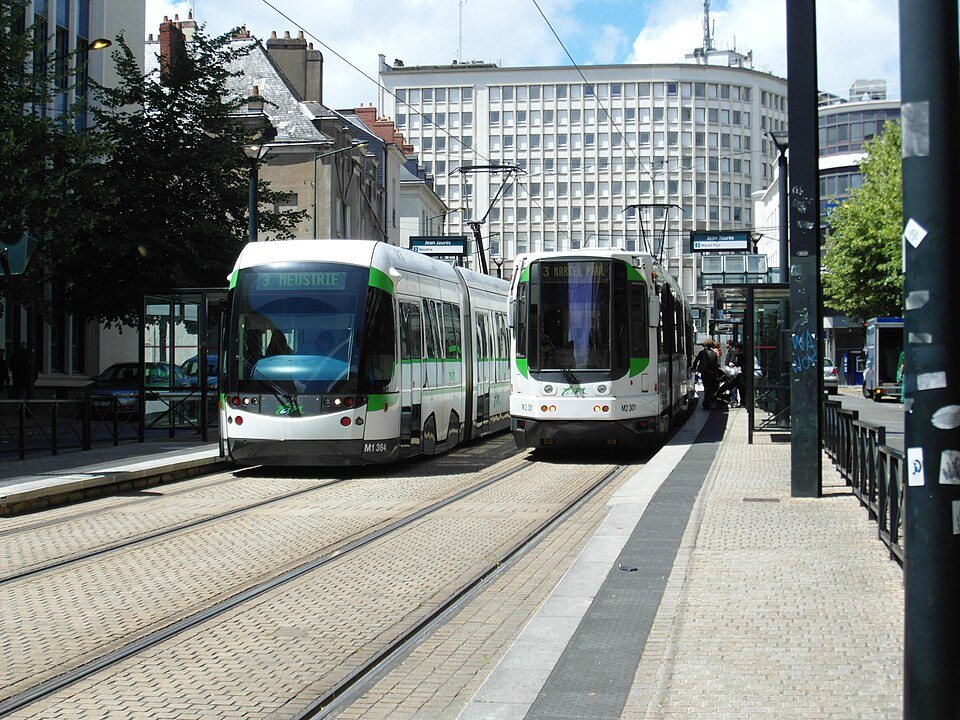 The Tramway