What this site is for
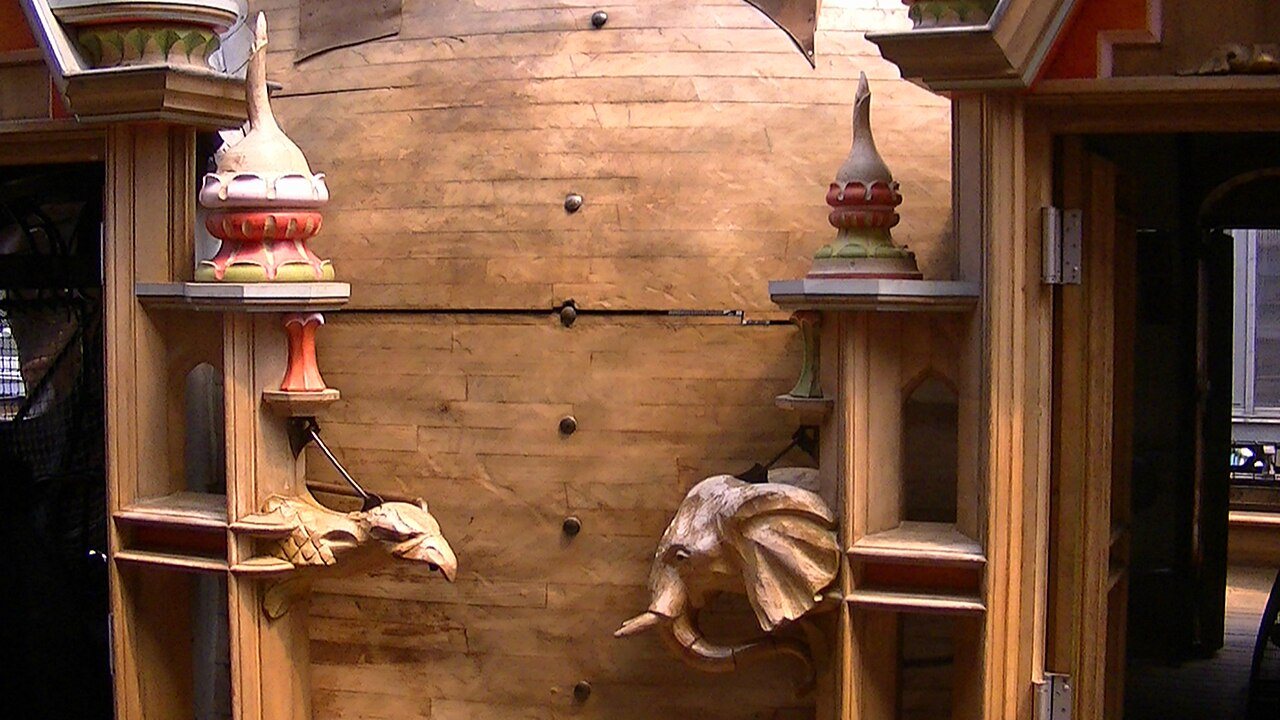
Most cities hide the machinery. Nantes built a giant mechanical elephant and walks it around the old shipyards. That instinct — take the industrial past, make it public, and let people climb on it — runs through the whole city, and it is the thread this site follows.
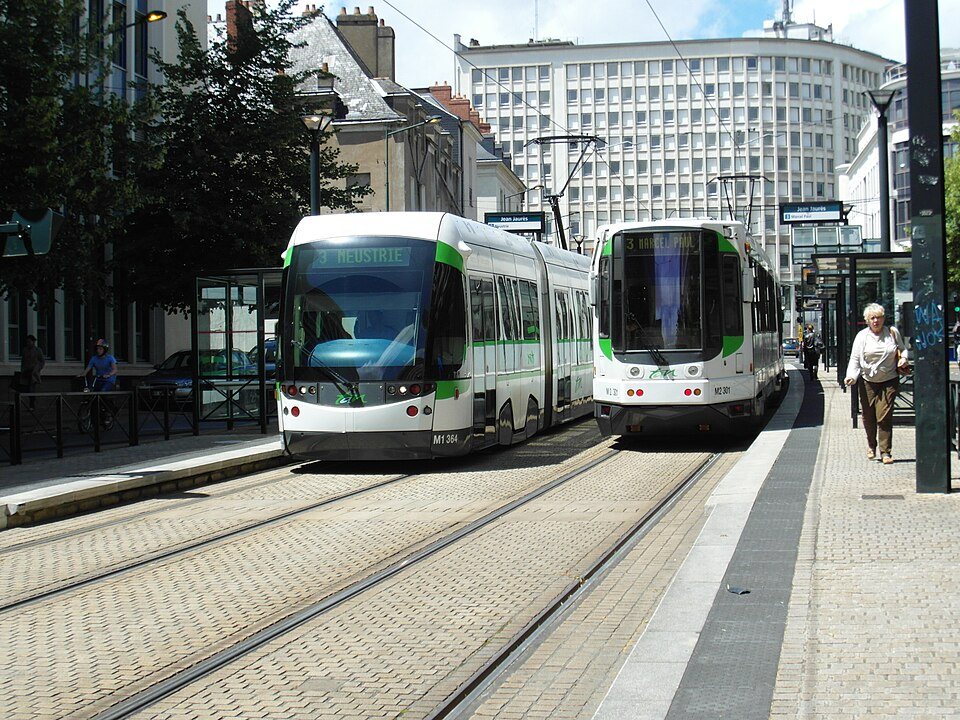
The practical business of a visit is the other half. Nantes brought back France's first modern tramway in 1985, when every other French city had torn its own out, and the tram is still how you actually move around. Much of what is worth seeing is free or costs nothing to walk into. The green line painted on the pavement will take you between most of it without a map.
There are twenty sight pages, itineraries by how long you have, day trips down the estuary and into the surrounding country, and a journal that adds one piece at a time on the practical questions that do not fit on a sight page.
What you will not find here
No prices, opening times, fares or slot times. Not anywhere, not once. These change without notice and a guide that quotes them is wrong within months. Where something has to be booked — and for the Machines, in season, it does — the page says so and says roughly how far ahead; the operator is the only source that is right on the day you travel.
No euphemism about the port. Nantes was France's largest slaving port; roughly 1,700 expeditions left from here. The city's eighteenth-century wealth — the mansions on the Île Feydeau among it — came substantially from that trade, and Nantes has since built a memorial to the abolition of slavery along the quay. This site states that where it is relevant, without euphemism and without dwelling on it for effect.
No invented detail. No made-up quotes, no invented experts, and no number put in because a sentence wanted one.
How it is made
Access Nantes is written and maintained with the assistance of AI. That is not a disclaimer buried in a footer, so here is what it actually means.
The research, the drafting and most of the page assembly are done with AI tools. A person sets what each page is for, reviews the copy before it is published, and checks the claims that matter — dates, names, what is free, what is closed, what has to be booked. Photographs are reviewed on a contact sheet before publication rather than after, which is how a batch of images that were genuinely of Nantes but showed nothing worth looking at were caught before anyone saw them.
It is not a perfect process and it is not pretending to be. If something here is wrong, the contact form goes to a person who will fix it.
Photographs
The photographs come from Wikimedia Commons and are used under their individual licences. Every image carries its own credit, on the page it appears on, rather than gathered into a list at the bottom where nobody reads it.
Images are filtered before they are used, and the filtering is fussier than it sounds. A photograph can be taken in the right city and still show nothing of the thing it claims to be — a plain street, a car park, a road named after the monument rather than the monument. Those are excluded, and the last check is always a person looking at them.
Nantes, on the ground