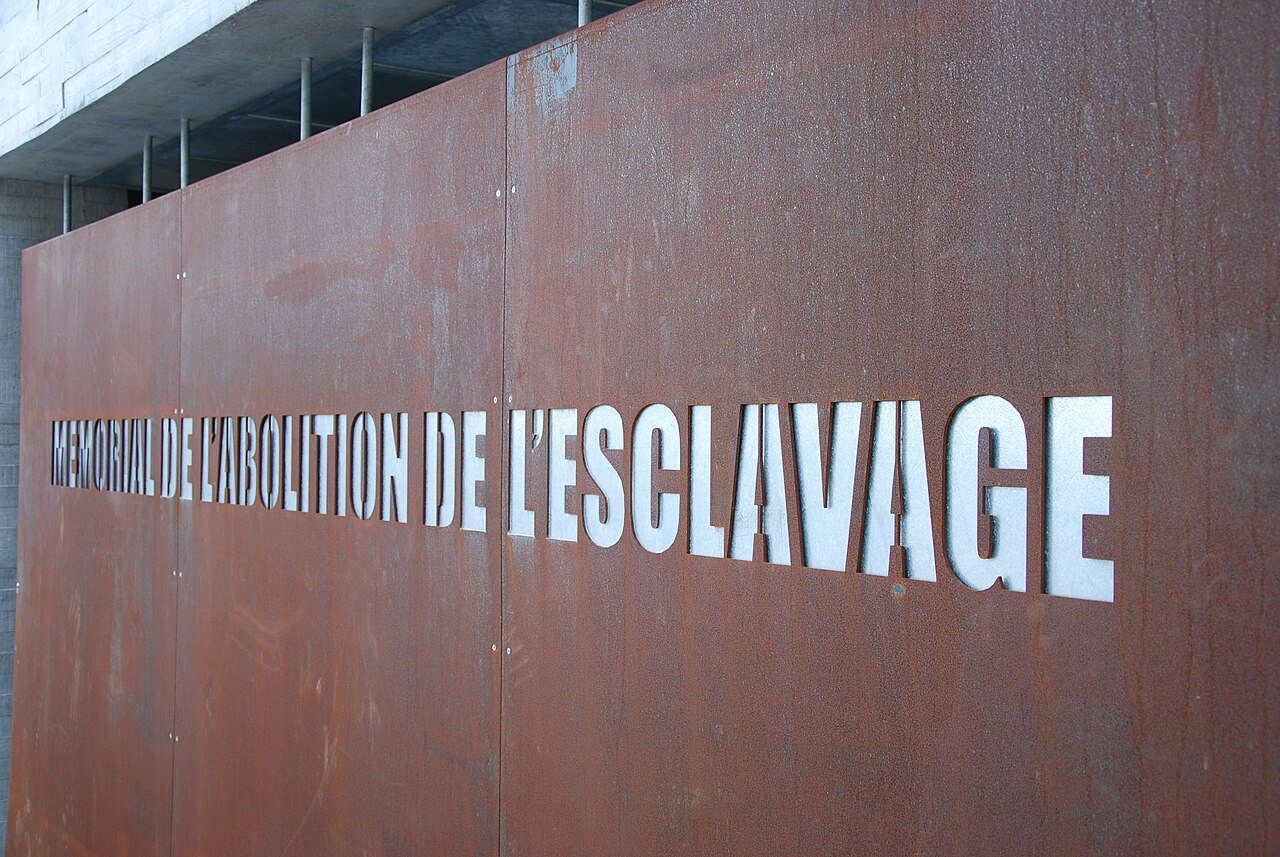
Nantes was France's largest slave-trading port. Something on the order of 1,700 expeditions departed from this river, carrying enslaved Africans to the Caribbean and returning with sugar, and the city's eighteenth-century wealth — the mansions on the Île Feydeau, the shipowners' houses on the quays — was built on it.
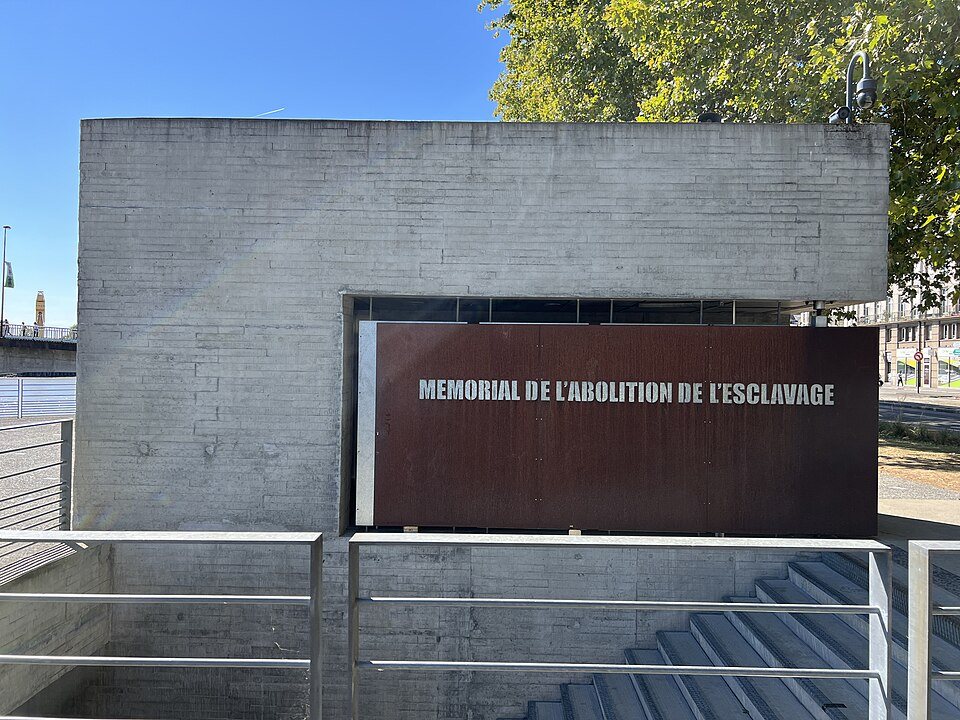
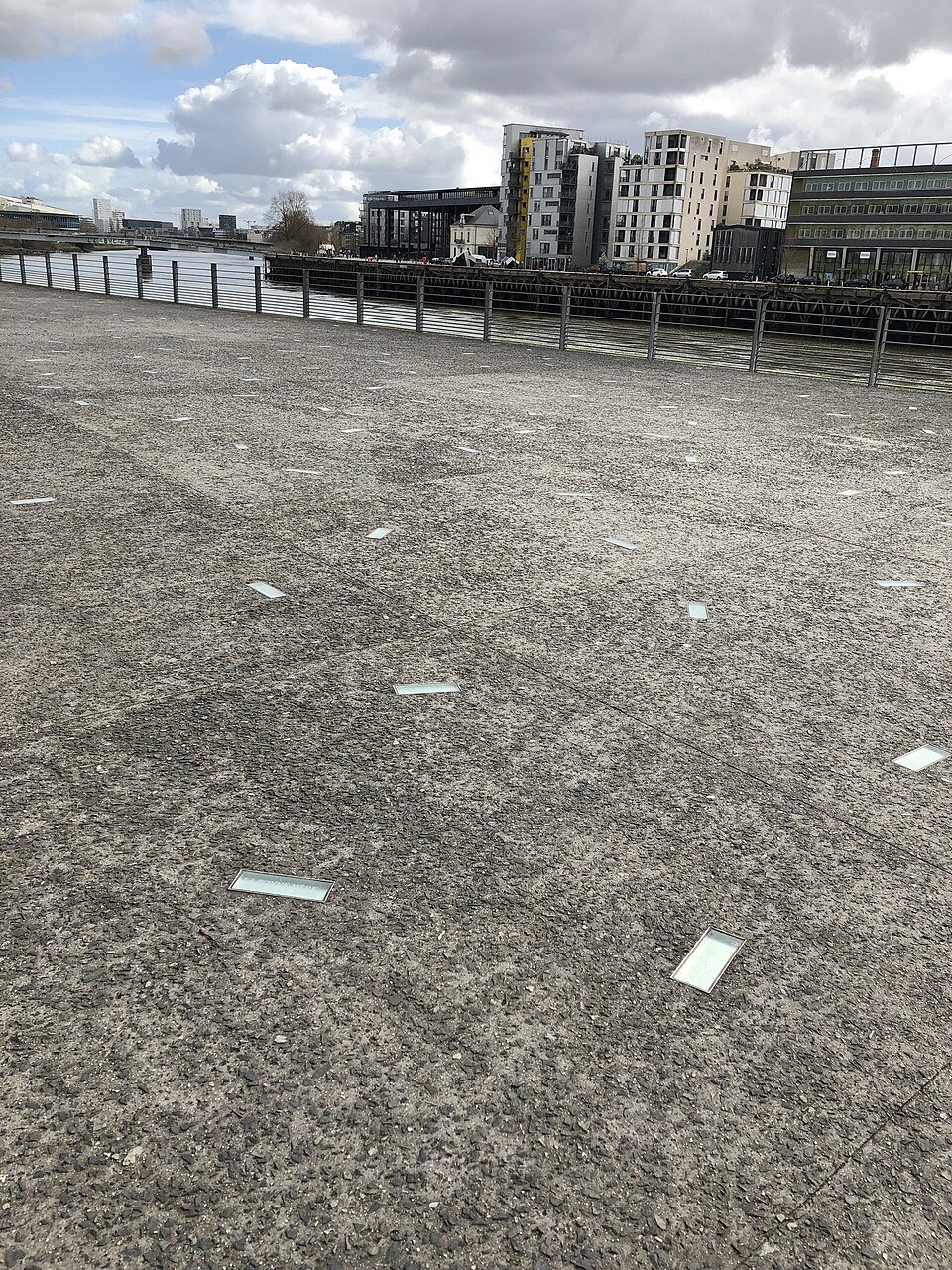
The memorial opened in 2012 along the Quai de la Fosse, where the ships actually left. At street level it is a line of glass plaques set flush into the ground, each carrying the name of a ship and the year it sailed. You walk over them.
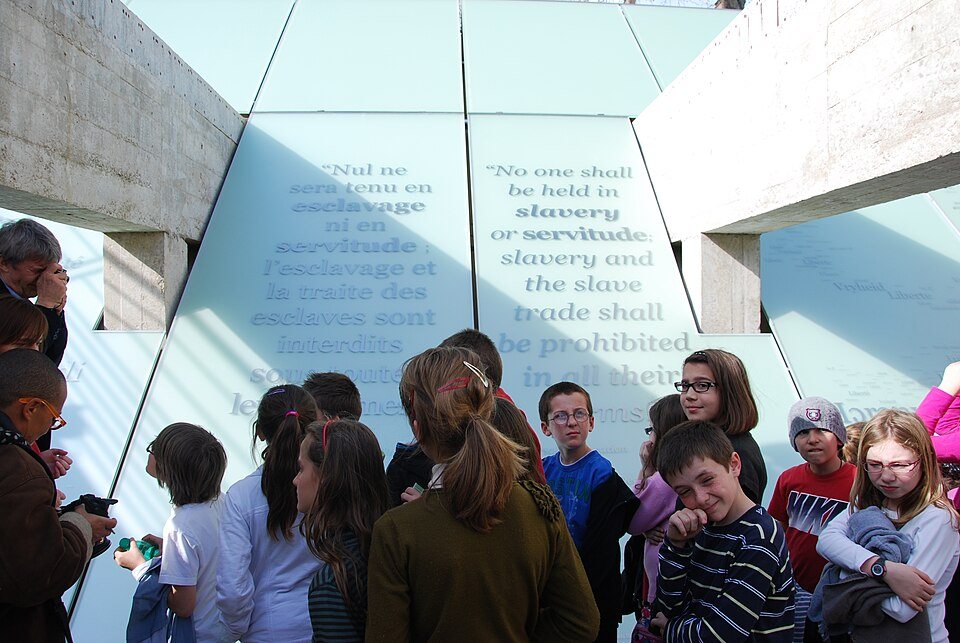
Underneath, a long low passage runs beside the water, its walls carrying texts on slavery and abolition in many languages. It is deliberately confined and deliberately quiet.
The city took a long time to acknowledge this history and the memorial is the point at which it did so publicly and permanently.
It is free and open, and it is not a viewpoint or a photo stop. Allow enough time to read some of it.
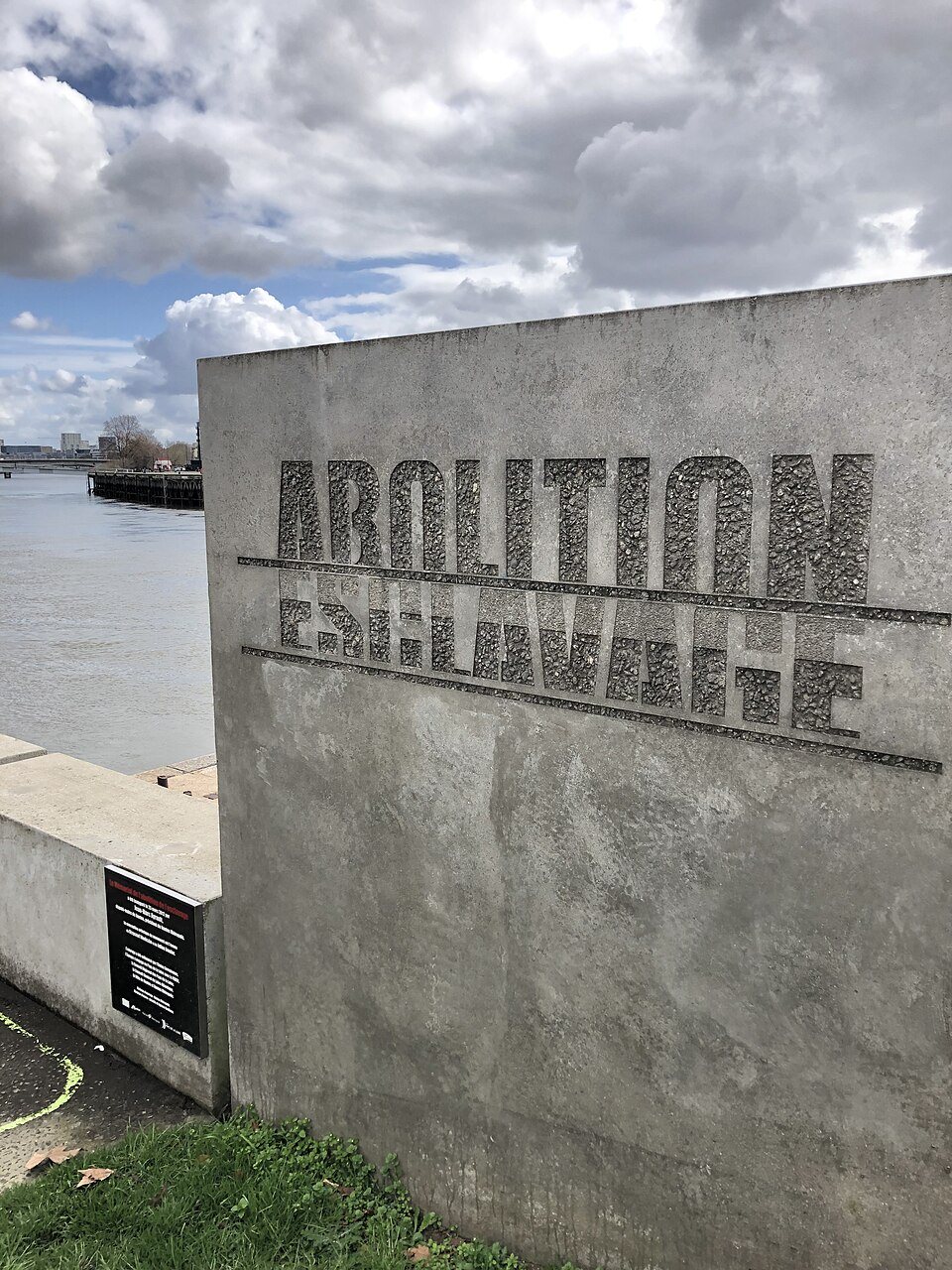
Mémorial de l'Abolition de l'Esclavage in pictures