The holdings run from Italian primitives through to the present — Georges de La Tour, Ingres, Courbet, Monet, Kandinsky — and it is a much better collection than a city this size would suggest, because Nantes was rich early.
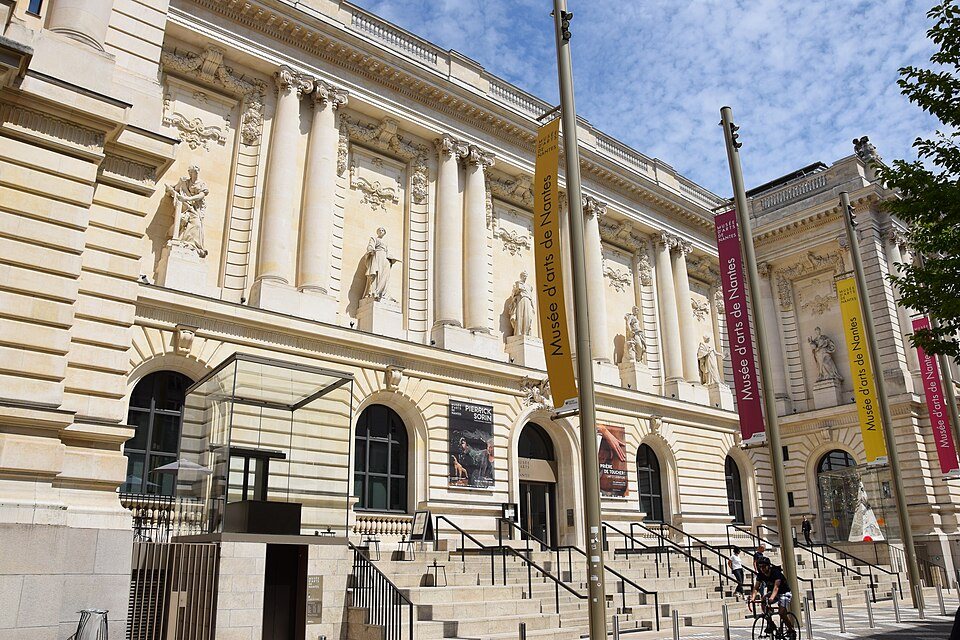
A long reconstruction added a translucent white extension, the Cube, and reopened the original top-lit galleries. The building itself is now half the reason to come.
The contemporary holdings are strong, and the museum stages temporary shows that are usually worth checking before you plan the day.
The top-lit nineteenth-century galleries are the best rooms. Do those first, while you are still looking properly.
One of Napoleon's fifteen
The museum was created by a consular decree of September 1, 1801, the Chaptal decree that founded fifteen museums in the French provinces and sent them works from the old church and royal collections, revolutionary seizures and the spoils of Napoleon's wars. In 1810 the city bought the collection of the Nantes diplomat François Cacault, put together between 1785 and 1803, which gave the museum an unusual strength in Italian primitives at a time when collectors hardly valued them. In 1852 Edgar Clarke left 77 paintings to the Louvre, which refused his conditions, and his executor chose Nantes instead.
Having so many old masters, the city decided in 1838 to buy only contemporary art, which is how works by Delacroix, Théodore Rousseau and Corot arrived. It is one of the few French museums that has kept buying the work of living artists ever since its founding.
The palace and the cube
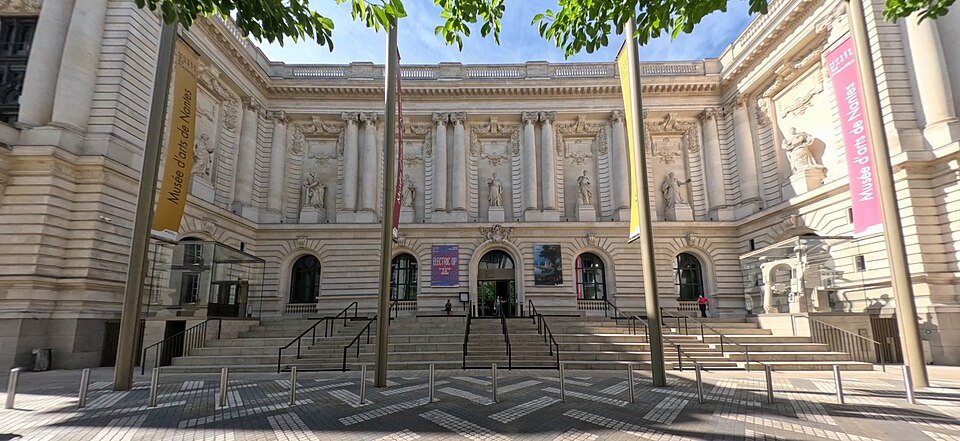
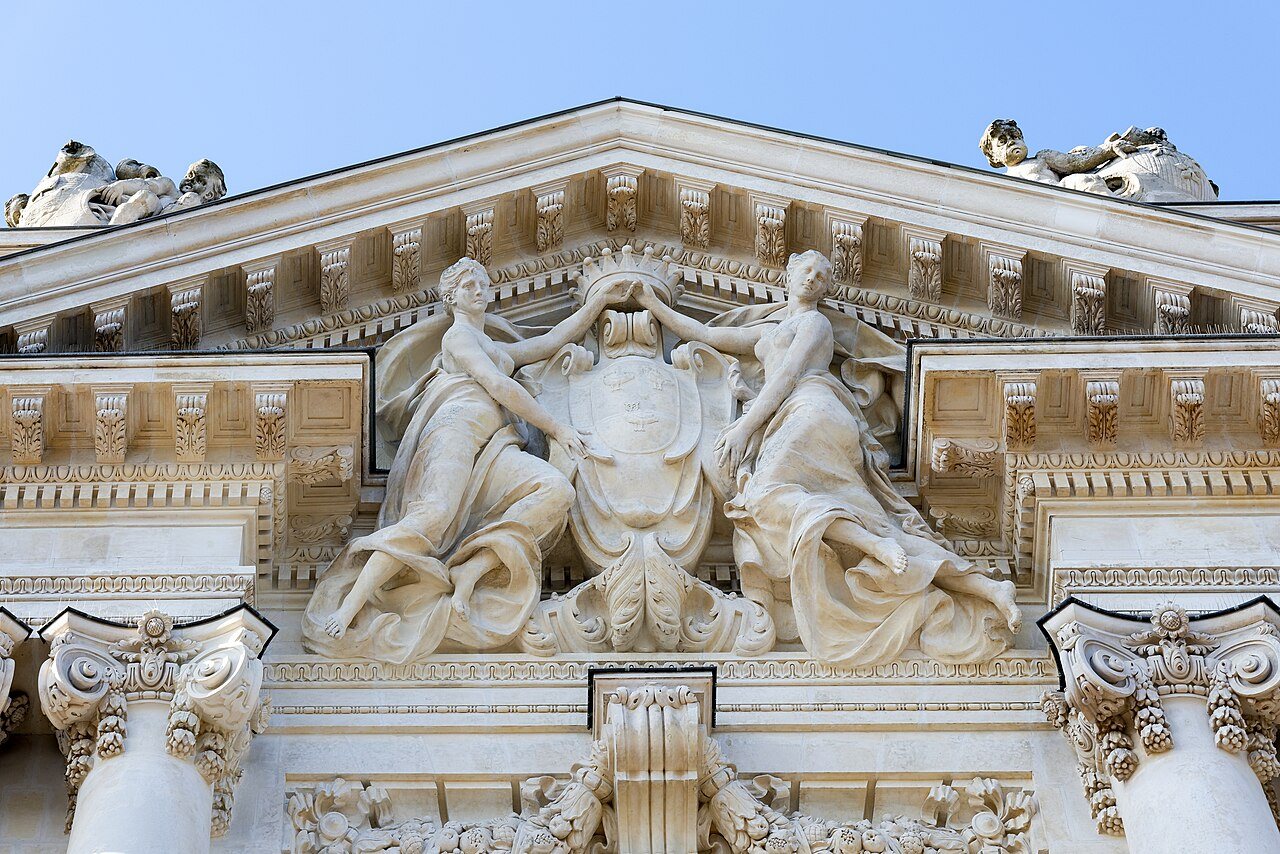
By 1887 a state inspector found the old museum too small, badly placed and unheated, able to show only half of what he called one of the finest picture collections in the provinces, and the minister threatened to withdraw some 200 works on loan. The city held a national competition, won by the Nantes architect Clément Josso, and the Palais des Arts opened on January 19, 1900, a solemn temple to art arranged around a naturally lit central patio. It also housed the city library until 1985.
In 2009 the British practice Stanton Williams won the international competition to renovate and extend it. The museum closed on December 18, 2011, for what was meant to be two years and reopened in 2017, its floor space grown from 11,400 to 17,000 square meters, linked underground to the seventeenth-century Chapelle de l'Oratoire, now used for exhibitions. A year after reopening it had welcomed 400,000 visitors, far more than expected.
What to look for
The old masters include a rare thirteenth-century panel, Florentine and Sienese paintings of the fifteenth century, Perugino's prophets David and Isaiah, a portrait by Tintoretto, and a strong group of Caravaggesque paintings from the Cacault collection, along with Orazio Gentileschi's large Diana the Huntress. The seventeenth century is where the collection is richest.
In the nineteenth-century rooms, look for Ingres's portrait of Madame de Senonnes and Emmanuel Frémiet's Gorilla Carrying Off a Woman. The modern collection holds Maurice Denis, Monet, Signac, Dufy and Van Dongen, and Tamara de Lempicka's Kizette in Pink, bought in 1928; Lempicka later gave the museum several more works herself. Gildas Fardel's gifts from 1958 onward, over 400 pieces in all, brought Hartung, Poliakoff, Soulages and Kandinsky's Vers le bas of 1929, the first Kandinsky to enter a public collection in the French provinces.
Contemporary and on paper
The contemporary galleries show the Nouveaux Réalistes, among them Jacques Villeglé, Martial Raysse and Jean Tinguely, Italian artists of Arte Povera such as Giuseppe Penone, and the Supports/Surfaces painters. The print room holds about 13,500 works on paper from the fifteenth century to the present, including 7,500 old prints in the Cacault brothers' 64 albums.
In September 1943, after the bombing raids on Nantes, the great hall of the palace served as a morgue and then a chapel of rest for the victims.
A city that showed art
Nantes held its first public art exhibition in 1825, and from 1836 the city and its Société des beaux-arts organized a series of triennial salons, the first with 275 works, buying from each to enrich the museum. Encouraged by the world's fairs in London and Paris, the city went bigger: a national exhibition in 1861, and another in 1886 on the cours Saint-André near the cathedral, which showed 1,799 works between October 1886 and January 1887 and helped build the city's art market and its modern collections.
From 1919 the newly founded Society of Friends of the museum pushed purchases toward the avant-garde, and much of the modern collection described above arrived that way. In 2022 a bequest from the collector Jacqueline Boejat added 38 works of the Dutch Golden Age and French eighteenth century, the museum's largest gift of old art since 1852.
Sources
Musée d'Arts de Nantes in pictures