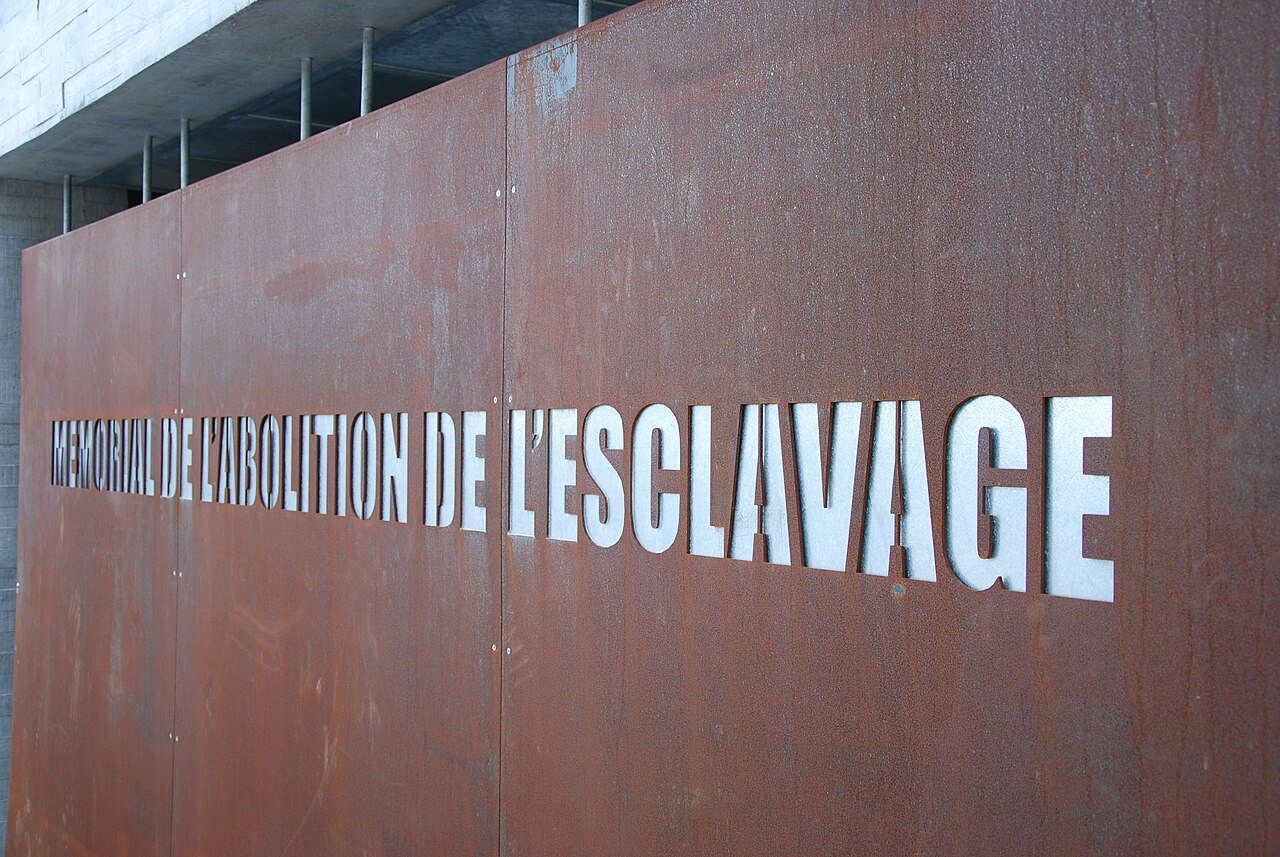
What happened here
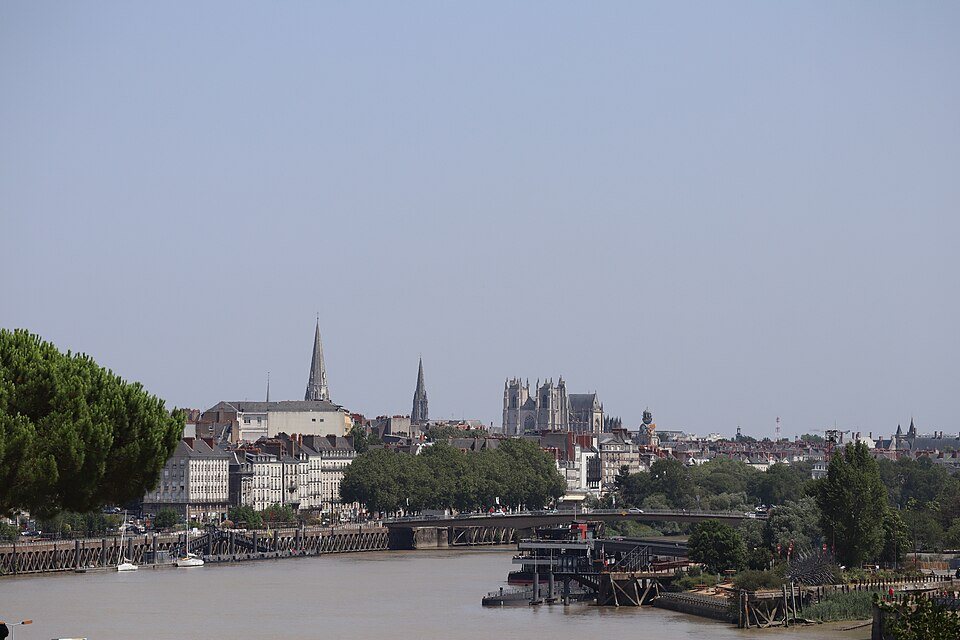
Something on the order of 1,700 slaving expeditions left this river, carrying enslaved Africans to the Caribbean and returning with sugar. The city's eighteenth-century wealth — the mansions on the Île Feydeau, the shipowners' houses along the Quai de la Fosse — was built on that trade.
The carved heads and ironwork on those houses are a direct expression of what the port earned.
The memorial
The Mémorial de l'abolition de l'esclavage opened in 2012 along the quay the ships actually left from. At street level it is a line of glass plaques set flush into the ground, each naming a ship and the year it sailed; you walk over them.
Underneath, a long low passage runs beside the water carrying texts on slavery and abolition. It is deliberately confined and deliberately quiet.
The city took a long time to acknowledge this publicly, and the memorial is where it did.
Reading them together
The merchants' houses and the memorial are on the same stretch of quay. Separately each tells you half of what happened here.
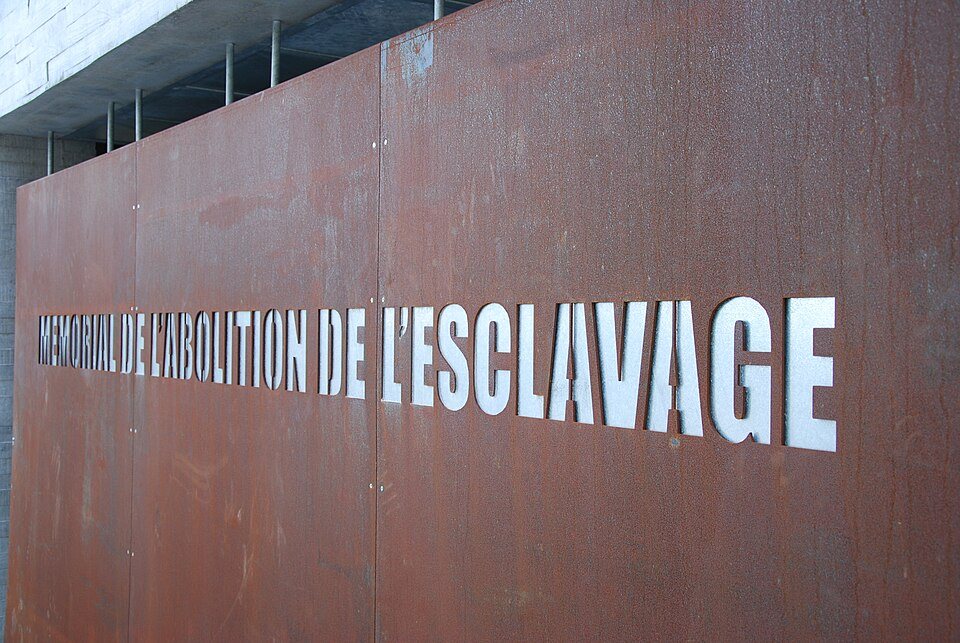 Mémorial de l'Abolition de l'Esclavage
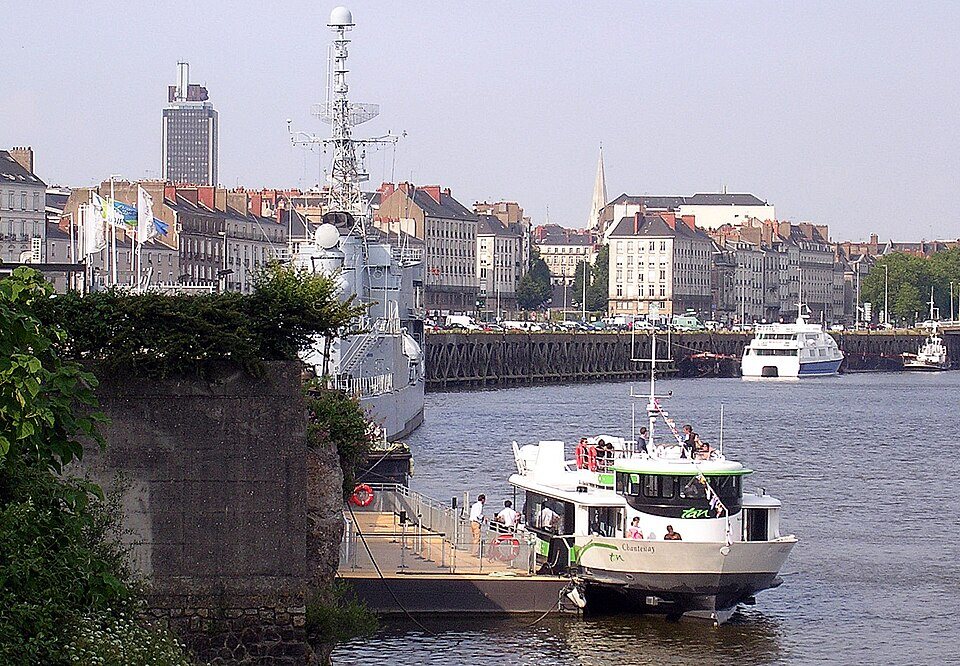 Quai de la Fosse
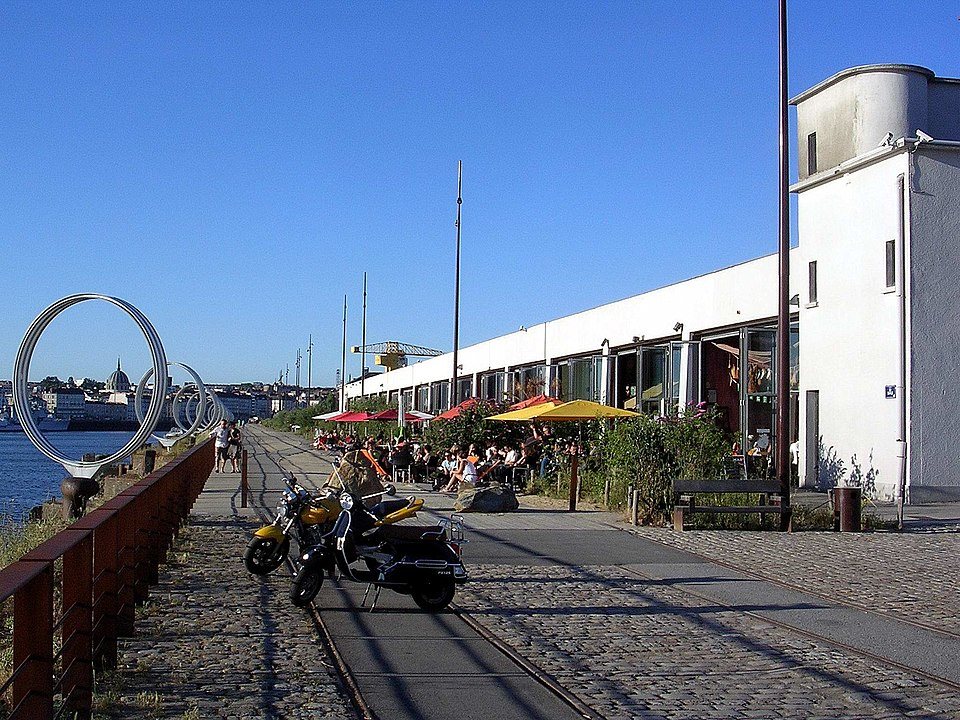 Hangar à Bananes & the Rings
 Butte Sainte-Anne