Most visitors hear "boat trip" and assume it means a ticket booth, a recorded commentary, and a line of tour buses parked nearby. The Navibus is none of that. It is a city bus that happens to cross water instead of asphalt, run by the same transit authority that operates Nantes' trams and buses, and it works on exactly the same ticket. If you have a transit pass in your pocket, you already have a boat pass.
A city bus line that happens to float
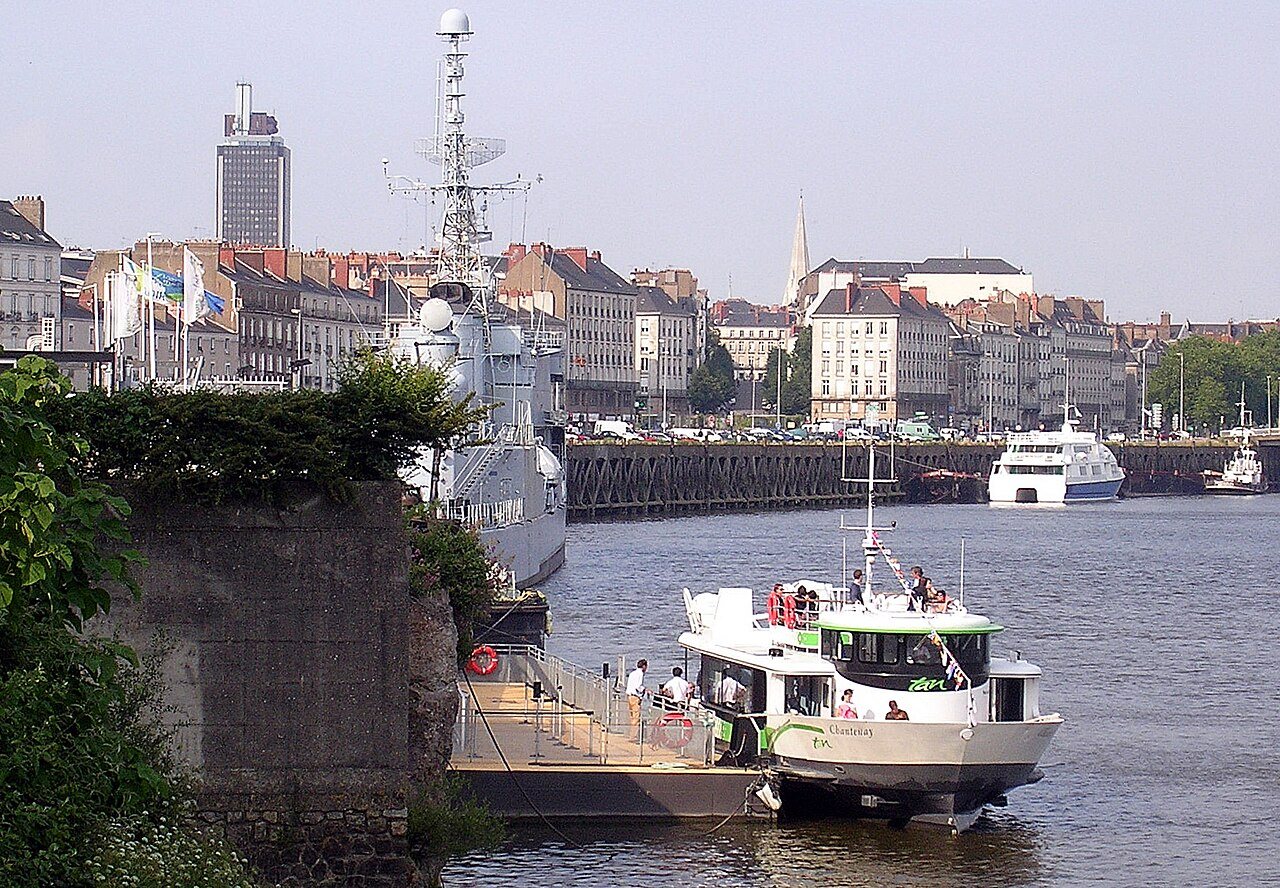
The Navibus is a small passenger ferry, closer in size and feel to a covered launch than to a cruise boat, that shuttles across the Loire as part of the regular TAN network (TAN being the operator behind Nantes' trams and buses — see tramway-nantes for the rest of the system). It has a line number like any other route, it appears on the same system maps, and the people riding it are mostly commuters and locals running errands, not sightseers. That is the whole point: it is public transit that crosses a river instead of going around it.
The boats are compact, with inside seating and some open deck space, and they carry bikes as space allows. There is no commentary, no gift shop, and no separate queue for "tourists" versus "residents." You wait at a quay, the boat arrives, you get on, and a few minutes later you get off on the other bank.
Where it goes, and why it's useful rather than decorative
The main appeal for a visitor is the link it offers to Trentemoult, the old fishing village on the south bank of the Loire with its painted houses and narrow lanes. Getting there by road means a longer loop around the river; the Navibus crosses directly, which turns what could be a half-day expedition into a short hop. It is the version of "crossing the river" that locals actually use, which is different from the version aimed at tourists.
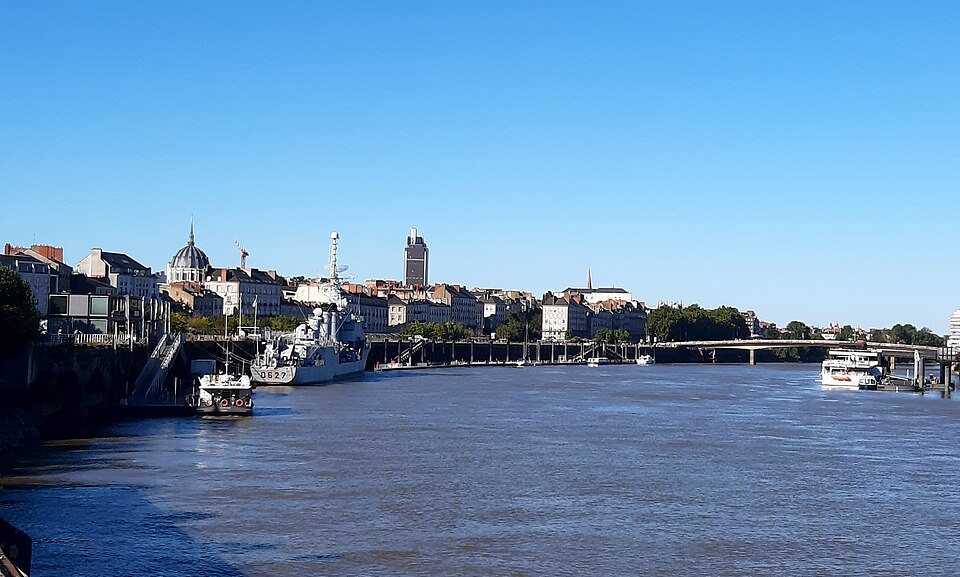
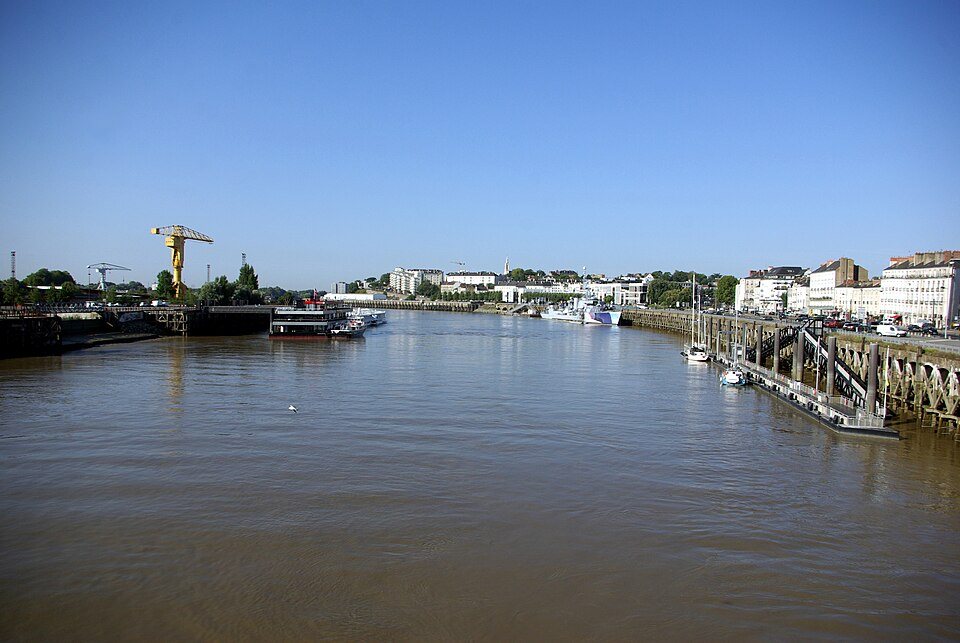
Along the way you get a working river view rather than a staged one: cranes, warehouses converted into event spaces, the kind of industrial-to-cultural skyline that defines the Quai de la Fosse and the broader waterfront covered in the-river and port-and-memory. It is not framed as a scenic attraction, which is exactly what makes it feel like one.
Because it is a transit line and not a tour, the Navibus does not loop past every landmark on the Loire. It solves one specific problem — getting across the river without a long detour — and does that one thing reliably. If your goal is a longer look at the water itself, that is a different outing; the Navibus is a crossing, not a cruise.
Buying and validating: treat it like the tram, not like an attraction
This is where visitors most often trip themselves up. Because the boat looks like a special experience, people assume there must be a separate ticket counter or a different fare structure. There isn't. The same ticket you would use on a Nantes tram or bus covers the Navibus, and it works through the same system: you buy or load it the way you would for any other TAN service, and you validate it the same way when you board. Skipping validation because "it's a boat, surely it's different" is the classic mistake, and it is just as checkable here as on the tram.
If you already have a day pass or a multi-trip ticket for getting around Nantes, you do not need to do anything extra before heading to the quay. If you are buying tickets specifically for this crossing, look for them at the same vending points you would use for the tram — details on where to find machines and how the zones work are covered more generally in getting-around. For exact departure points, current line numbers, and how frequently boats run, the operator's own schedule is the reliable source; river services can be adjusted for maintenance, water levels, or seasonal demand, so it is worth checking that rather than relying on a fixed mental schedule.
Making the crossing part of a day, not a detour
The easiest way to use the Navibus well is to treat the river crossing as a connector between two things you already wanted to see, rather than as a destination by itself. A common pattern: start in the center near the chateau-ducs-bretagne or the quartier-bouffay, make your way down to the riverfront, cross by Navibus to spend an hour wandering Trentemoult's lanes and waterfront cafés, then either cross back the same way or continue along the south bank before looping home. Because it is a working transit line, you are not locked into a tour time — you ride when it suits your day, within the posted schedule, and head back whenever you are done.
It is also worth knowing what the Navibus is not useful for. It will not get you to the ile-de-versailles or along the erdre, which are a different stretch of water entirely and served by different boats and paths. And it is not a substitute for the walking routes along the Loire quays if your interest is architecture and street life rather than simply reaching the other bank — for that kind of close-up wandering, see the neighborhood notes in neighborhoods and the suggested routes in itineraries.
What makes the Navibus worth a mention at all, rather than just a footnote on a transit map, is the mismatch between what it looks like and what it costs you in effort: a short river crossing that most cities would turn into a ticketed excursion, folded here into the ordinary bus network, usable with the same card you tap for the tram. The novelty is that there is no novelty tax — just a boat doing a bus's job, and a bus ticket that happens to float.
In pictures