Look down in central Nantes and you'll eventually notice it: a thin green line painted directly onto the pavement, running along sidewalks, across squares, over bridges, sometimes disappearing under a parked bike rack before picking up again twenty feet later. It isn't decoration and it isn't a one-off art installation. It's a wayfinding device set up as part of Le Voyage à Nantes, the city's long-running program for steering visitors toward its landmarks without needing a paper map or a phone signal.
The idea is almost embarrassingly simple: follow the line, and it will take you past the things Nantes wants a first-time visitor to see. No app, no QR code required, no admission gate to pass through just to start walking. You can join it at any point and walk it in either direction, which is both the appeal and the thing that confuses people who assume it's a single fixed loop with one correct starting place.
Where it actually starts
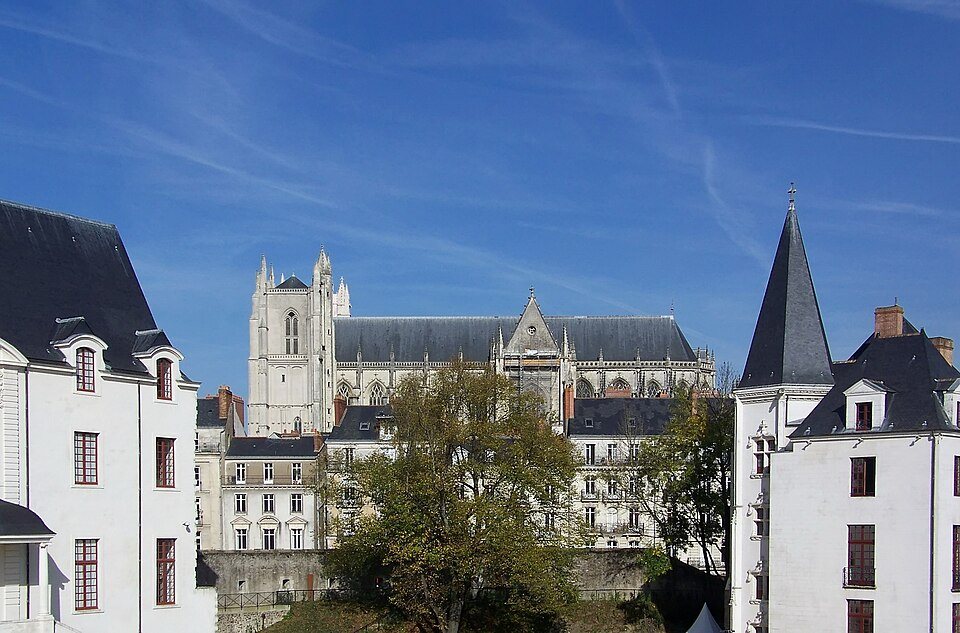
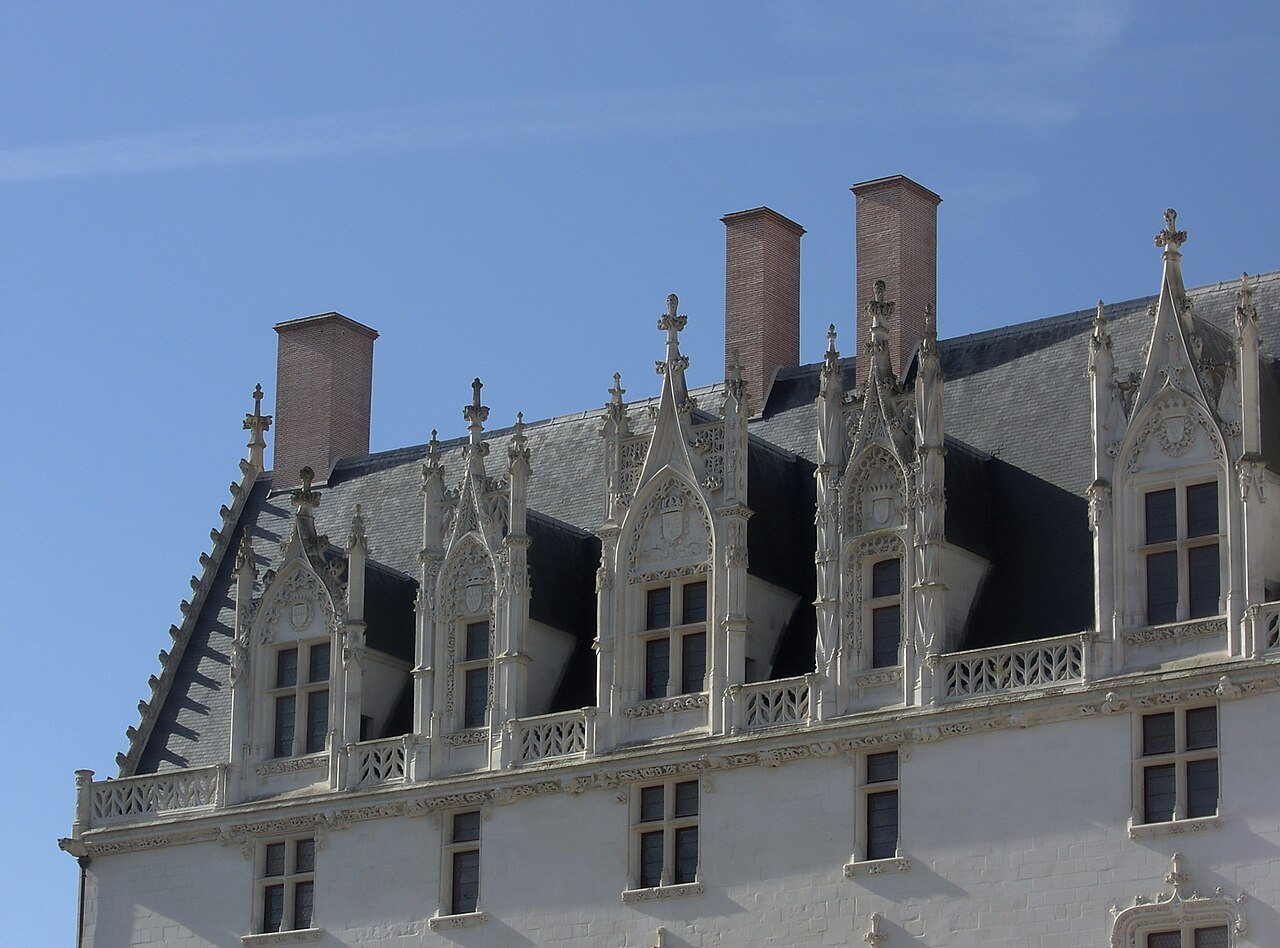
There isn't one official starting point stamped into the city's identity the way, say, Paris numbers its arrondissements from the Louvre. In practice, most visitors pick it up near the Château des ducs de Bretagne, since that's where the tourist office sits and where most people begin a day of sightseeing anyway. From there the line heads toward the old city, threading through quartier Bouffay's narrow streets, passing close to the cathedral, and continuing toward Lieu Unique before making its way down to the Loire and across to the Île de Nantes.
That last stretch is the one worth knowing about in advance: the line crosses a bridge to reach the island, and that's a longer walk than it looks on a phone screen zoomed into the old city. If your main goal is Les Machines de l'île and you start downtown, budget real time for the crossing rather than assuming it's a quick detour.
What it's actually good for
The honest use case for the green line isn't "see everything," it's "don't get lost between the things you already decided to see." Nantes's center is walkable but irregular, full of squares that don't line up with each other and streets that curve without warning. The line gives you a default route when you don't want to think about navigation for a stretch, which is particularly useful between the château and the river, where there's no single obvious street to follow. It's less useful as a complete itinerary on its own. It doesn't tell you anything about what's inside the buildings it passes, doesn't flag which days a place is closed, and doesn't distinguish between a five-minute stop and a two-hour one. Treat it as a spine, not a schedule. Check opening days and any booking requirements directly with each site before you build a day around them, especially for anything inside the château or at Les Machines.
People who try to walk the entire line start to finish in one go usually regret it by mid-afternoon. It's long, it loops through areas with very different characters, and the payoff for finishing it isn't a prize at the end, it's just that you've walked across the city. A better approach is to pick a chunk: old-town-to-river, or river-to-island, and treat the rest as something for another day or a different season.
Where people lose the line, literally
The most common mistake isn't wrong information, it's inattention. The paint fades in heavily trodden spots, gets interrupted by construction, and vanishes completely under market stalls on days when squares like Bouffay fill with vendors. If you're relying on it visually rather than checking a map now and then, you will lose it somewhere around a tram crossing or a plaza with mixed paving, and the instinct is to backtrack rather than just continuing toward the landmark you already know is ahead. Don't backtrack. Look up, not down, once you're near a recognizable building, because the line is a convenience, not a lifeline.
The other mix-up is assuming the green line is the only route or the "correct" one. It isn't comprehensive. It bypasses entire neighborhoods worth a visit, including the Hangar à Bananes stretch along the Loire and much of quai de la Fosse, and it has no reason to detour toward places like Jardin des Plantes or across the river to Trentemoult, both of which reward a visit but sit outside its path. If you only follow the line, you'll see a real cross-section of central Nantes, but you'll miss some of the city's better walking neighborhoods entirely.
Using it alongside the tram and your own route
The line and the tram network aren't designed to replace each other, and conflating them is a common error for visitors staying more than a day or two. The tram covers distance fast; the line is built for walking pace and close-up noticing. A workable pattern is to take the tram to a general area, pick up the green line on foot for the stretch you want to explore slowly, and go back to transit once you've covered the part you came for. Trying to use the tram to "catch up" with the line somewhere in the middle rarely works cleanly, since tram stops and the line's route don't always sit close together. If you're building a full day or two around central Nantes, it's worth sketching your own loop first using the line as a reference rather than a rulebook: check suggested itineraries for ideas on pacing, then decide which green-line segments actually fall along your plan rather than reshaping your day to match its full length. The line was made to orient you, not to dictate the order in which you see Nantes. Most visitors do best treating it the way they'd treat a dotted line on a paper map from decades ago: useful for confirming you're heading the right way, not something to follow with your eyes glued to the ground the whole afternoon.
In pictures