If your train rolls into Nantes and you have one afternoon before a hotel check-in or a dinner reservation, you are in a better position than you might think. The station sits close enough to the old city that you can walk the whole thing, and the route from the tracks to the river takes you past most of what people come to Nantes to see. The trick is picking the right exit and not doubling back.
Gare de Nantes has two sides, Nord and Sud, and they open onto completely different neighborhoods. If you come out the wrong one, you will end up walking around the building to correct course, which wastes ten minutes you didn't plan to spend. For this itinerary, you want the Nord side, which faces the city center. If you arrive at Sud, there are signs inside the station directing you through to Nord, and tram and bus stops on both sides if you'd rather ride a short stretch than walk it. See getting-around for how the ticketing works if you want to use the tram for any leg of this.
Station to the château: a green start
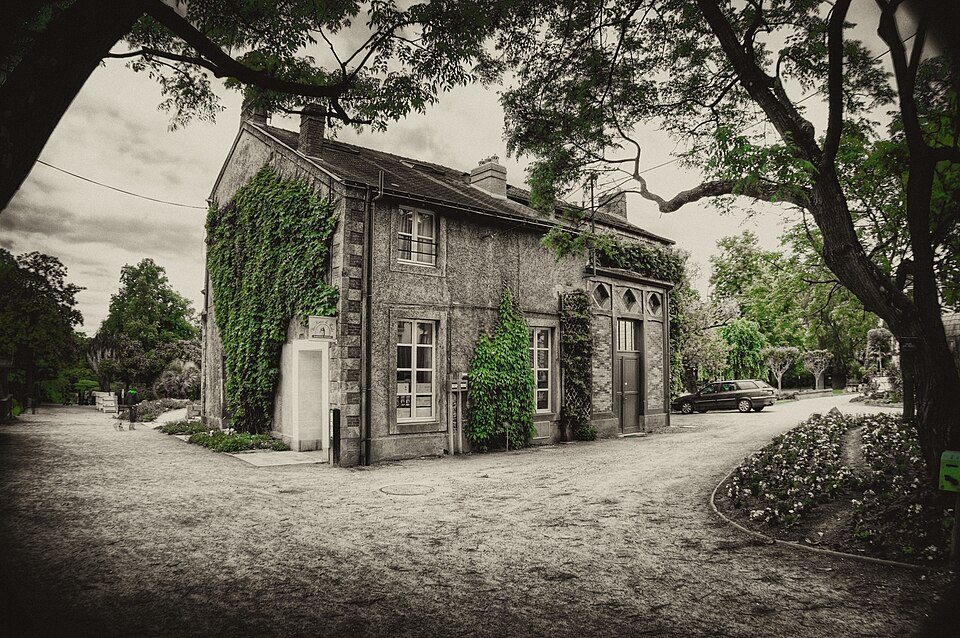
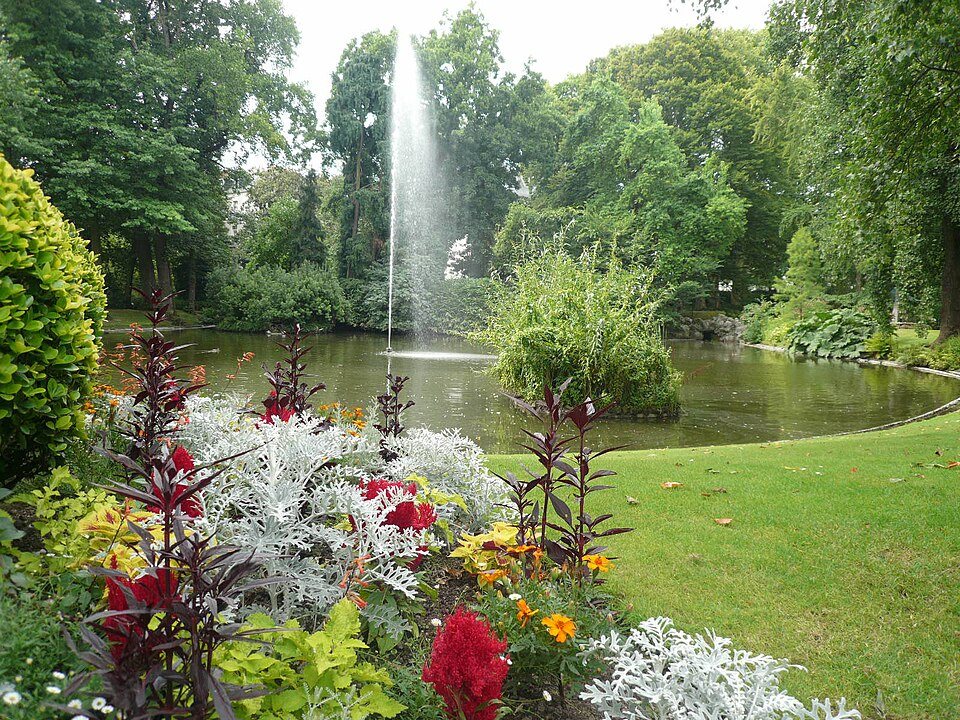
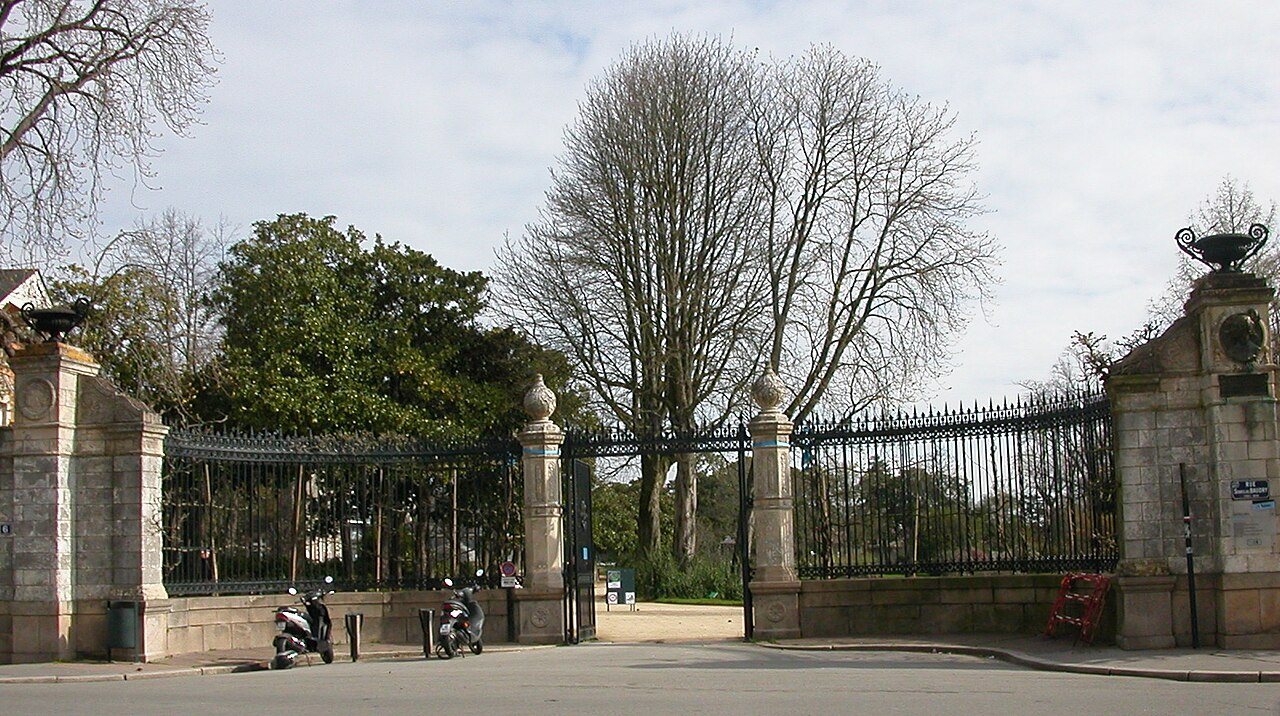
Walk out of Gare Nord and you are a few minutes from the Jardin des Plantes, one of the easiest wins in Nantes for travelers dragging luggage, because there's often a left-luggage option at the station if you'd rather not haul a suitcase through a garden. The jardin is laid out on a slope, with paths that loop past greenhouses and a pond, and it's a good place to get your bearings and let a long train ride wear off before you start looking at buildings instead of trees.
From the garden, head toward the Cours des 50 Otages, a wide, tree-lined boulevard that used to be a canal and now functions as the spine between the station side of town and the château. It's a straight, unambiguous walk, and it puts you right at the moat of the Château des Ducs de Bretagne inside maybe twenty minutes of leaving the station.
The château and the cathedral
The château is the one stop on this itinerary that most people already have circled, and it earns it. You can walk the ramparts and cross the courtyard without buying anything, which makes it a good option even if you're not sure you have time or energy for the museum inside. If you do want the museum, which covers the history of the duchy and the city, check current access and ticketing directly with the château's own site rather than guessing, since arrangements change. For an overview of what's inside, see the-chateau.
Right next to the château, the Cathédrale Saint-Pierre-et-Saint-Paul is worth the short detour even if you only step inside for a few minutes. It's a tall, pale Gothic building that took centuries to finish, and the contrast between the stone exterior and the bright interior is the kind of thing a photo doesn't quite capture. If you're someone who likes to look up at vaulted ceilings, give yourself more than a few minutes here; if you're not, a quick look from the square outside is enough to say you've seen it.
Into Bouffay and down to the Passage Pommeraye
From the cathedral, drop south into the Bouffay quarter, the tangle of half-timbered streets that is the oldest part of Nantes. This is where the city stops being monumental and starts being lived-in: narrow lanes, small squares, a lot of bars and restaurants that fill up as the afternoon turns into evening. It's an easy place to get slightly lost in, which is part of the point. If you're the sort of traveler who likes a destination rather than a wander, aim yourself toward the Passage Pommeraye, a covered shopping arcade from the 19th century built across a slope, so the three levels are connected by a staircase rather than flat corridors. It's one of the few places in Nantes where the architecture alone is the attraction, independent of whatever shops happen to be open the day you visit.
This is also roughly the point in the afternoon where a coffee or a snack starts to make sense. Bouffay and the streets around the Passage Pommeraye have plenty of options, and you don't need a reservation or a plan here, just an appetite and a willingness to pick whichever place looks busy with locals rather than whichever one has the most signage in English.
Finishing at Place Graslin, or further to the river
If your legs and your schedule allow for one more stop, walk from the Passage Pommeraye to Place Graslin, a formal square built around the city's opera house, with a brasserie on one side that has been a fixture of the square for a very long time. It's a good place to sit if you want to end the afternoon rather than keep moving, and it's also a natural pivot point: from here you can continue toward the Loire and the Quai de la Fosse or the Hangar à Bananes if you still have energy and the afternoon light is good, or you can turn back toward the station if you're watching the clock for a train, a hotel, or a dinner booking elsewhere in the city.
What you won't manage, and shouldn't try to, is seeing the Machines de l'île or doing a long walk along the river on top of all of this in a single afternoon. Both deserve their own block of time rather than being squeezed in at the end of a day that started on a train. Treat this itinerary as the version of Nantes you get when you have a handful of hours, and treat the rest, the island, the river walks, the museums, as reasons to come back or to stay a second day. For more structured half- and full-day options once you've got this first walk behind you, see itineraries.
In pictures