Most French cities spent the postwar decades doing the same thing: ripping out their old tramways and betting everything on the car. Nantes did that too, pulling up its last tram tracks in the late 1950s. What makes Nantes different is what happened next. In 1985, it became the first city in France to open a brand-new tramway line, years before Strasbourg, Grenoble, or Bordeaux followed with their own systems. If you've read that Nantes "reinvented the tram" somewhere, this is the claim behind it, and it's a real one — not a slogan.
A city that tore out its tracks, then rebuilt them
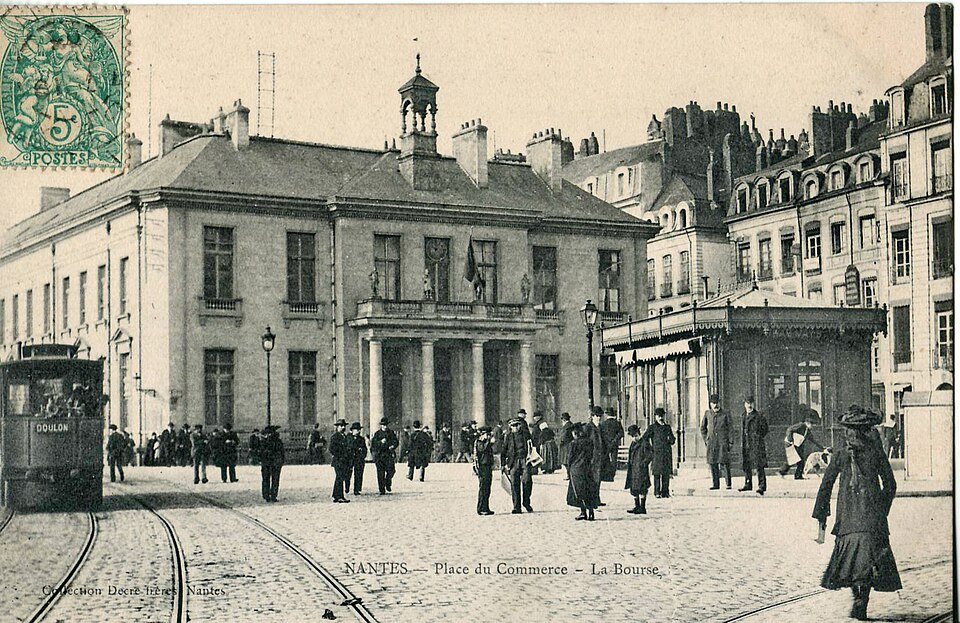
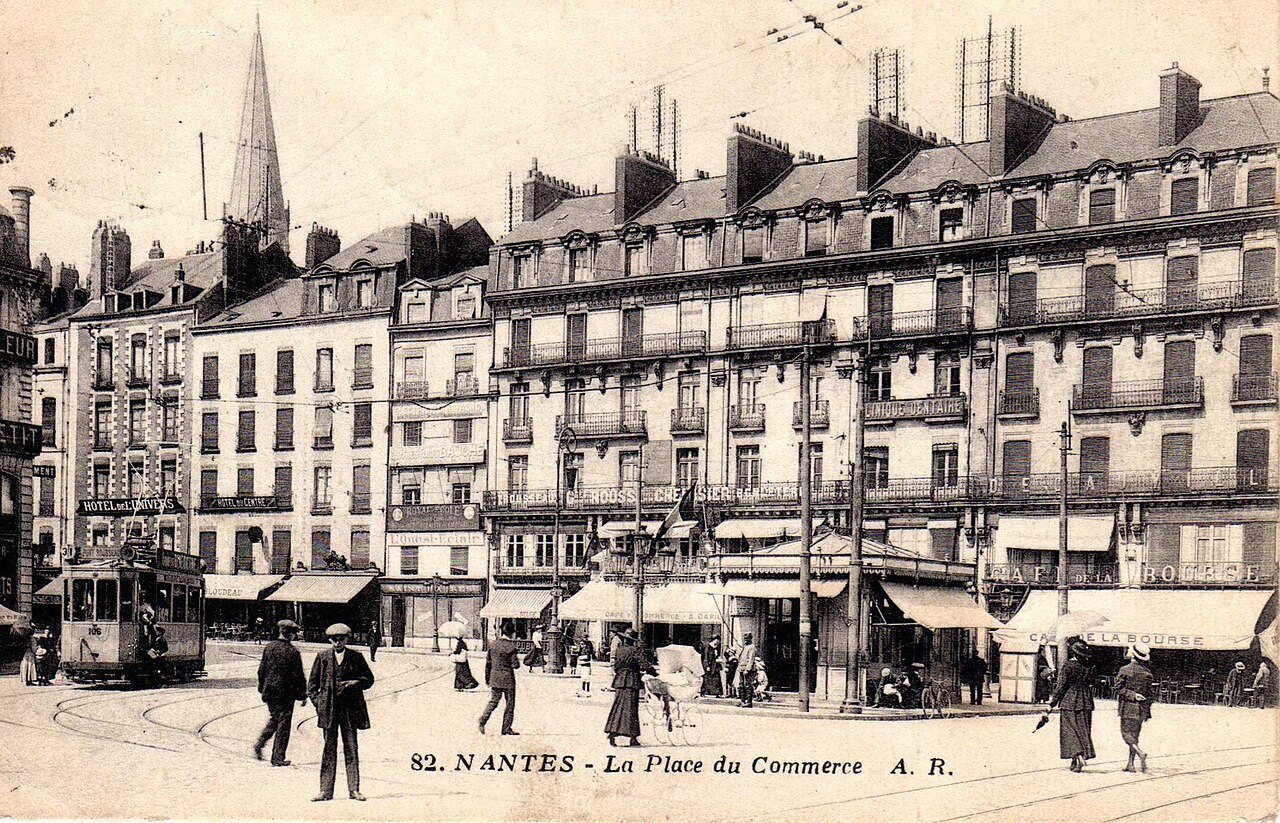
By the 1950s, trams across France were seen as slow, old-fashioned, and in the way of the car traffic every growing city wanted to accommodate. Nantes dismantled its network like nearly everywhere else. Buses and private cars took over the streets, and for a couple of decades that was that.
What changed was congestion. By the late 1970s, Nantes was choking on the same traffic problems as any mid-sized French city that had reorganized itself entirely around the automobile. City planners started looking for something that could move more people through the same narrow streets without widening every boulevard. A modern tram — lighter, faster, and far more efficient per square meter of road than it had been thirty years earlier — was the answer other European cities were already testing. Nantes moved on it first in France, and the opening of that initial line in 1985 is generally treated as the starting point of the modern tram revival across the country.
Why Nantes went first
There's no single dramatic reason Nantes beat every other French city to the punch — it's more that the pieces lined up here before they did elsewhere. The city had the traffic problem, the available land along key corridors, and a local government willing to commit to a tram over cheaper half-measures like extra bus lanes. Once the first line proved the model worked — moving large numbers of commuters reliably through the city center — other French cities that had been watching from the sidelines started drawing up their own tram projects. If you visit Strasbourg or Grenoble today and the tram feels like old news, it's worth remembering that Nantes is the reason it exists in French cities at all.
The symbolism mattered too. Reintroducing a tram wasn't just a transit decision, it was a statement that a city could unwind a mistake — ripping out the first tramway — rather than just living with it. That's part of why the story still gets told in local accounts of the city's modern identity, alongside projects like Les Machines de l'île or the long-running Voyage à Nantes art trail, both of which lean on the same instinct: take something written off and make it useful or interesting again.
Riding the network today
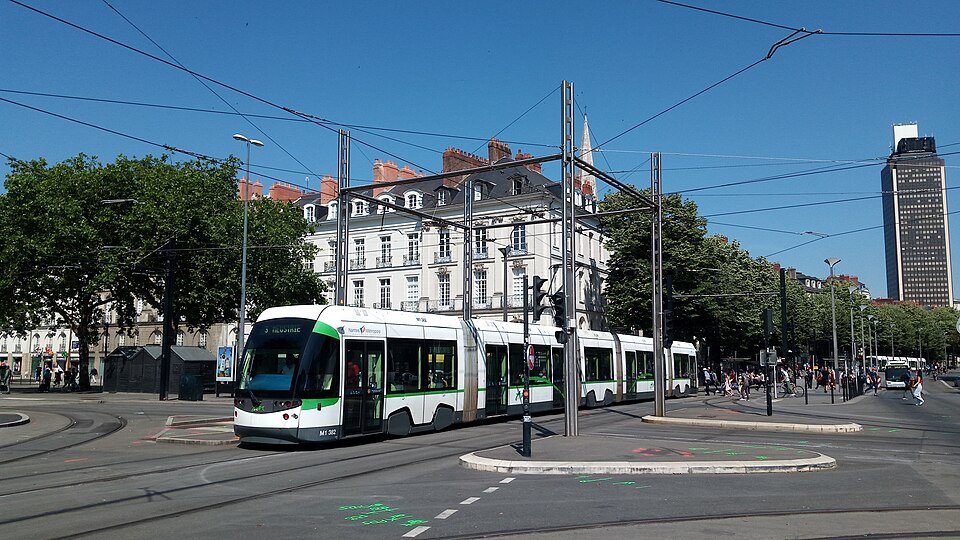
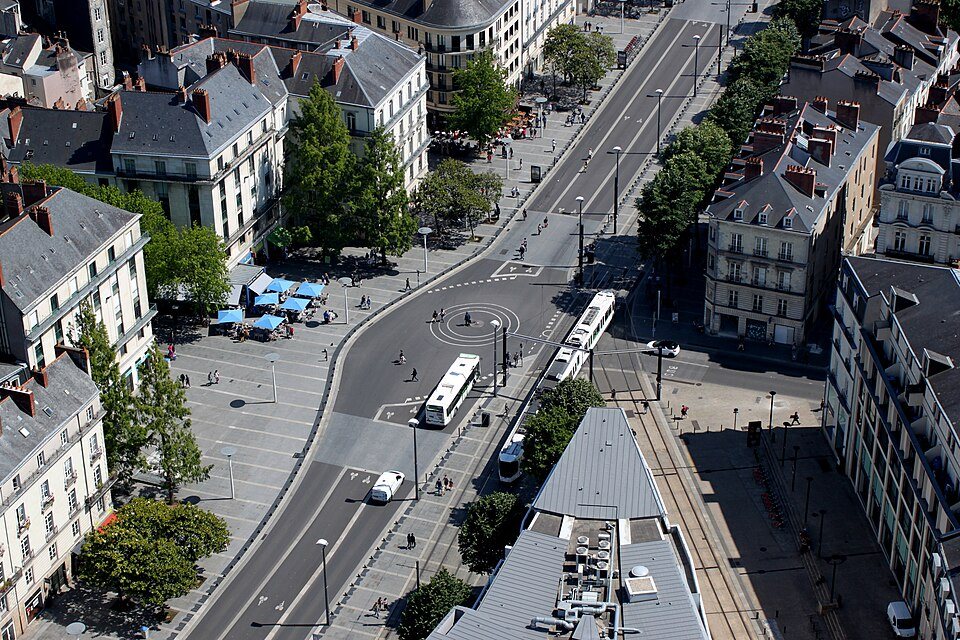
The tramway now has several lines crisscrossing the city, run by the local operator, TAN. If you're staying anywhere near the center, you'll likely be within a short walk of a stop — lines pass close to Place Royale, run along the Quai de la Fosse, and connect out toward the Erdre and other neighborhoods away from the historic core. For a practical overview of how the lines fit together with buses and the Busway, see the dedicated tram guide or the wider getting around section.
Tickets work on a validate-before-you-ride system — you buy from machines at the stops or through the TAN app, then stamp or scan before boarding, since there are no gates. Fare structures, passes, and current ticket types change often enough that it's worth checking directly with TAN rather than relying on anything printed in a guidebook, including this one.
One detail worth knowing before you arrive: trams in Nantes run frequently enough during the day that most visitors don't bother memorizing a timetable at all — you just walk to the platform and wait a few minutes. That's part of the point of the system: it's dense enough to feel like infrastructure, not like a special event.
The mistake visitors make
The most common error isn't about the tram itself, it's about assuming you need it more than you do. Nantes's center — the château, the cathedral, the Bouffay quarter, the Passage Pommeraye — is compact enough to cover on foot, and several of the city's best stretches, like the walk along the river or into the surrounding neighborhoods, are more interesting slowly. The tram earns its keep for longer hops: getting out to Île de Versailles, crossing toward Trentemoult via the connecting ferry, or heading to the outer museums and markets that don't sit inside the old city walls.
The second mistake is boarding without a validated ticket on the assumption that an open system means an unchecked one. Inspections happen, and they're not performed for show. If you're new to the network, validate every time, even for a single stop.
What's easy to miss, riding through on a short visit, is how ordinary the tram now feels to people who live here. It isn't a tourist novelty or a heritage piece trotted out for visitors — it's the backbone of how the city moves, used by commuters, students, and retirees without a second thought. That ordinariness is the real measure of the 1985 decision's success: a system built to solve a traffic problem is now simply part of how Nantes works, which is a quieter kind of achievement than being first.
In pictures