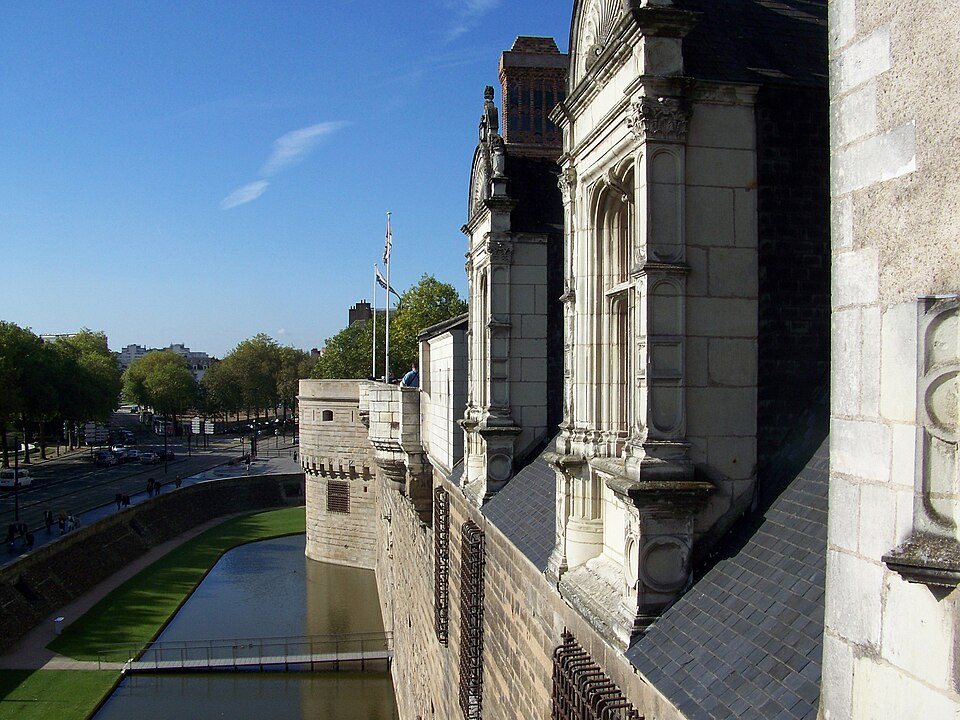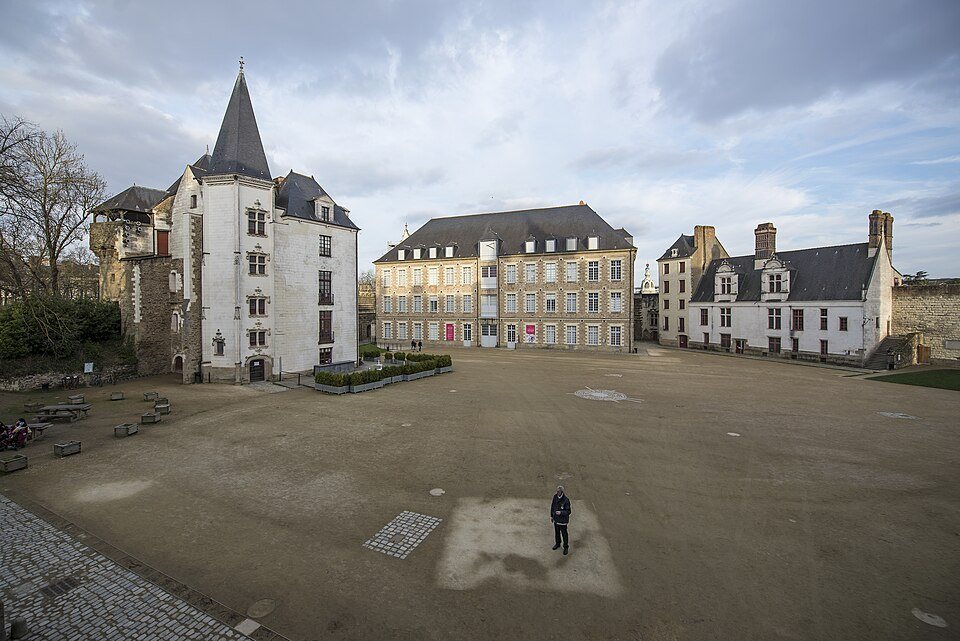
Stand in the courtyard of the Château des ducs de Bretagne and you are standing in the literal seat of Breton sovereignty. This is where the dukes and duchesses of Brittany ruled from, where Anne of Brittany was born, and where the region's independence from the kingdom of France was negotiated, argued over, and eventually lost. So it is a fair question, asked by locals as often as by visitors: if this castle is the historical capital of Brittany, why does Nantes now sit in a different administrative region than the rest of it?
The Château's Claim
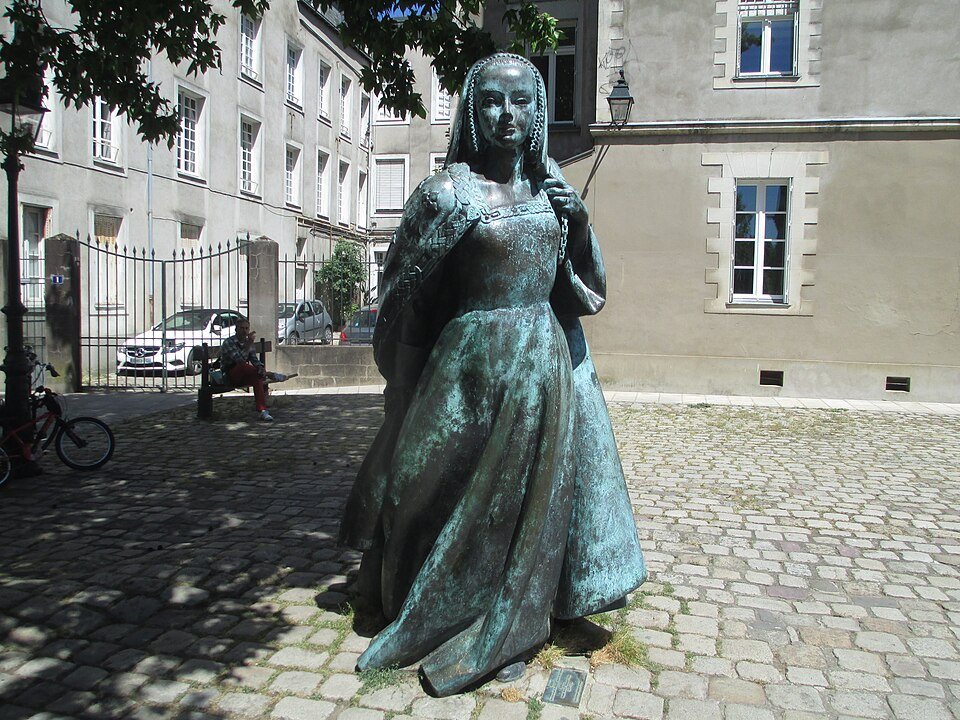
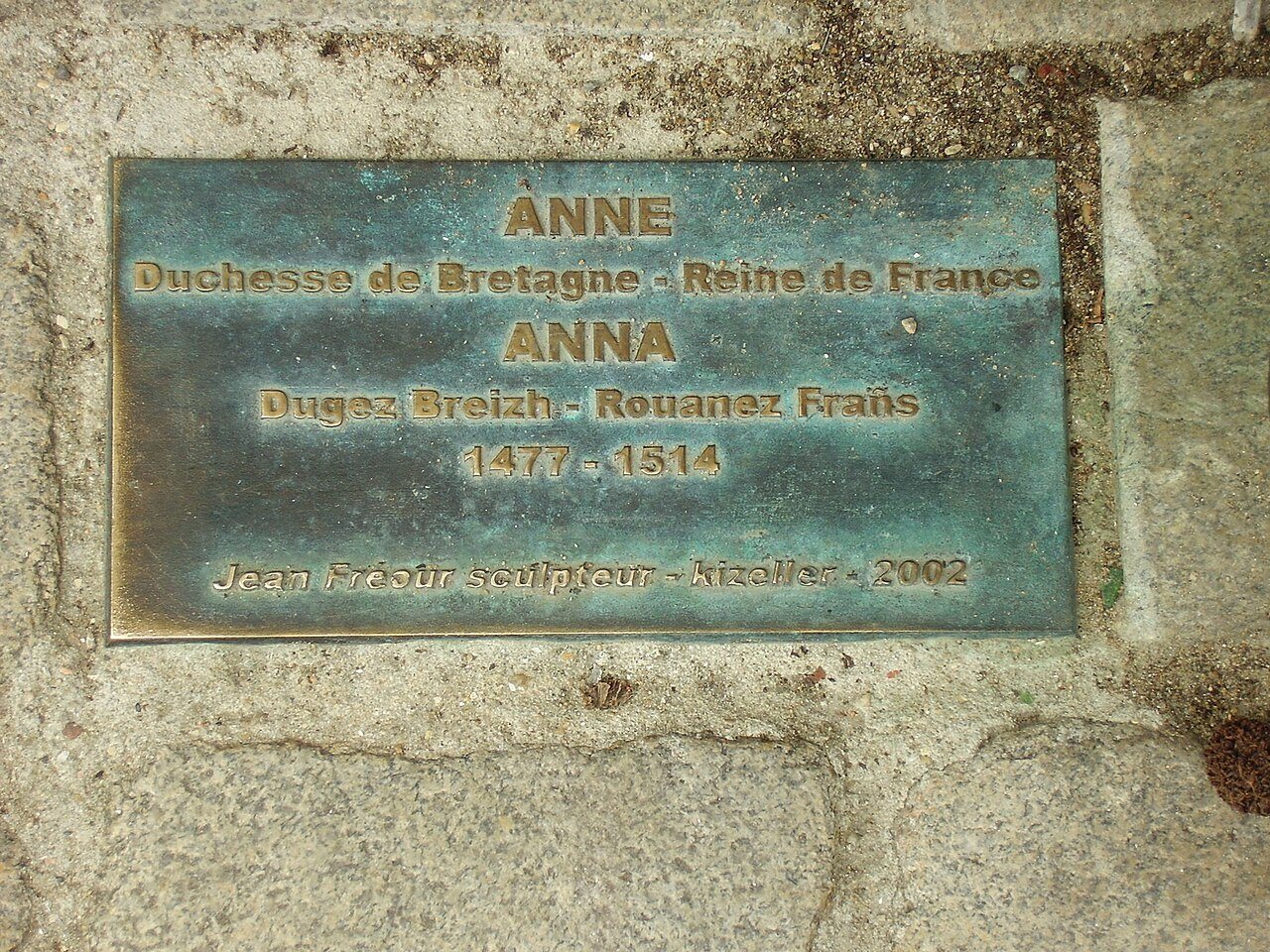
The dukes of Brittany built and rebuilt this fortress across several centuries, and by the late 1400s it was the political heart of an independent duchy that negotiated with France as something close to an equal power. Anne of Brittany, twice queen of France through two marriages, was born inside these walls and spent her life trying to keep Brittany's autonomy intact even as she was pulled into the French crown. The duchy's independence was not lost in a single battle: it ended through Anne's two marriages to French kings and was sealed by the edict of union with France in 1532.
None of that history is in dispute. Nantes was one of the duchy's capitals, the city its dukes built their great castle in, sharing that role with Rennes. The argument that follows is a modern one, and it starts about four and a half centuries later, in an office, with a map.
1941 and the Line on the Map
The trouble is administrative, not historical. In 1941, under the Vichy government, France's regions were reorganized, and the department that contains Nantes — then called Loire-Inférieure, later renamed Loire-Atlantique — was separated from the four departments that make up the rest of historic Brittany. When France formalized its modern regions in 1956, that separation held. Brittany, as an official administrative region, was drawn without Nantes in it. Nantes and its department were folded into a region called Pays de la Loire instead, alongside Angers and Le Mans.
This is the part that keeps the argument alive: the split was made for postwar administrative convenience, not because anyone decided Nantes had stopped being culturally Breton. There has never been a serious claim that the city's history changed. What changed was a line on an org chart, and that line has proven very hard to erase. Proposals to reunite the five historic departments into a single Brittany region have come up repeatedly at the regional and national level, with petitions, local council votes, and public debate, and none of them has stuck. Nantes remains, administratively, in Pays de la Loire, while the region of Brittany begins just north and west of it.
What You Actually See and Hear in Nantes
Walk the city and the argument is not abstract, it is on flags, bumper stickers, and shopfronts. The black-and-white Breton flag, the Gwenn ha Du, is the sign to look for, flown by people making a quiet argument every time someone walks past; the old streets of Bouffay are a good place to start looking. Local businesses use "Breizh" branding — the Breton word for Brittany — on everything from bakeries to beer labels, regardless of which side of the 1941 line they happen to sit on. Regional identity here runs on culture and language associations, festivals, and food traditions (galettes, kouign-amann, cider) that never checked which administrative region they were supposed to belong to.
At the same time, plenty of people in Nantes will shrug at the question entirely. The city has spent the last few decades building an identity that is arguably more about its own reinvention — the shipyards-turned-arts-district energy you feel at Les Machines de l'île, the contemporary-culture push behind Le Lieu Unique — than about reclaiming a historical label. Ask five people on a Nantes tram whether they consider themselves Breton and you may get five different answers, and all five will be sincere.
How to Read the Argument While You're There
You don't need to take a side to notice the evidence. A few things worth watching for as you move around the city:
- Street and shop names using "Breizh" or Breton spellings are a small, constant signal of identity that has nothing to do with which administrative region a business's paperwork is filed under.
- Local political debate on the topic resurfaces every so often, usually tied to a referendum proposal or a council vote — a live question rather than settled history.
If you want the fuller backstory before or after visiting the fortress itself, the château is the most concrete starting point in the city; see the château of the dukes of Brittany, and check current visiting arrangements with the operator directly. For context on how this fits into a wider day in the city, the sights overview and neighborhoods guide both touch on how Breton identity shows up outside the castle walls, and if you want to see the rest of historic Brittany for comparison, it's a straightforward regional trip covered in day trips from Nantes.
The short version: Nantes was the capital of Brittany for centuries, got administratively separated from it by a wartime decision in 1941, and has spent the decades since sitting in a strange position — culturally claimed, administratively excluded, and mostly comfortable saying so out loud. The château is where that whole argument started, and it's still the best place in the city to see both sides of it laid out in stone.
In pictures