Across the Loire from central Nantes, on the south bank where the river widens before Saint-Nazaire, sits a cluster of narrow lanes and low houses painted in blue, ochre, pink, and sea green. This is Trentemoult, and the color is the first thing anyone mentions. It's worth knowing why it's there before you go, because the answer isn't decoration for its own sake, it's a fishing village's logic showing through.
A village older than its bridges
Trentemoult existed long before Nantes stretched out to absorb it. It was a separate fishing community on the left bank, home to sailors and the women who ran the households while the men were away for weeks at a time working the Loire estuary and the Atlantic coast. The village kept its own identity even as Nantes grew across the water and eventually folded the area into the greater urban footprint. That separateness is still legible in the street plan: tiny lanes, houses built close and low, a scale that has nothing to do with the grand stone apartment blocks of central Nantes around place Graslin or the quays near quai de la Fosse.
The village's relationship with the river wasn't picturesque, it was practical. Boats needed painting and maintenance, and fishermen used whatever marine paint was on hand, the same paint used on hulls, to protect timber and render against damp. Leftover paint from boat upkeep ended up on house fronts, shutters, and doors. That's the practical core of the explanation: this was a place where paint was a working material before it was a visual identity.
The painted houses: what's commonly said, and what to actually look for
Local guides and residents will tell you a few different versions of why the color choices look the way they do, including the idea that specific hues let fishermen's wives identify their own house from across the water, or that colors marked out families and trades. These stories circulate because they fit the place, but treat them as the kind of local lore worth hearing rather than settled fact. What is solid is the material history: a maritime village using leftover marine paint on wood and render, repeated over generations, becoming a visual habit long after the fishing economy that started it had faded.
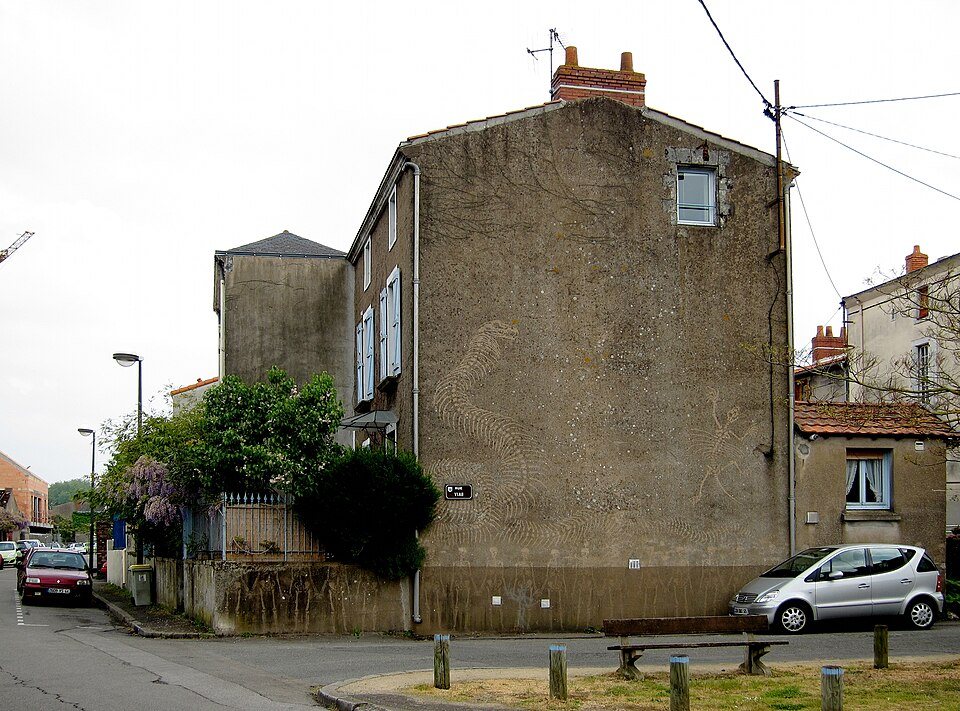
What you can verify with your own eyes, walking the lanes, is more interesting than any single explanation. Look at how colors are rarely uniform block to block. A single house might have a mustard-yellow door, blue-gray shutters, and pink-washed render, three choices that clearly weren't picked together but accumulated over different repaintings. Look for exposed timber framing on some of the older houses, visible between panels of color, a reminder that these were modest wood-and-fill structures, not stone townhouses. Look at how close the houses sit to each other and to the lane, with barely room for two people to pass in some alleys, which tells you more about the density of a working fishing village than any sign will.
The restored and repainted state you see today is recent relative to the village's age. Trentemoult went through a period of decline as Nantes industrialized and the fishing economy dried up, and the bright, consistent-looking color scheme that photographs so well is the result of a revival, not an unbroken tradition. That doesn't make it less worth seeing, but it's worth knowing that the Trentemoult of today has been actively maintained and marketed as a historic quarter, with galleries, small shops, and cafes filling houses that were fishermen's cottages within living memory of some current residents' grandparents.
Getting there: the crossing is part of the experience
Most visitors reach Trentemoult by river rather than by road, and this is deliberate, not just scenic. A passenger ferry service, part of the city's public transit network, crosses the Loire from quays near the city center to the Trentemoult side. Check current crossing points and schedules through Nantes's public transport operator before you go, since the service runs on its own timetable separate from the tram and bus lines covered on getting around and tramway-nantes. The crossing itself, a short hop across open water with the city skyline behind you and the fishing-village rooftops ahead, sets up the contrast the village depends on: industrial, bridge-heavy Nantes on one bank, a small-scale painted settlement on the other, with the whole business framed by the river itself.
If you'd rather walk or drive, Trentemoult is reachable by road and sits close to Ile de Versailles and the broader riverside network on the south bank, but the ferry crossing is the version most people remember, and it's the one locals default to recommending.
Beyond the color: what else is worth your time
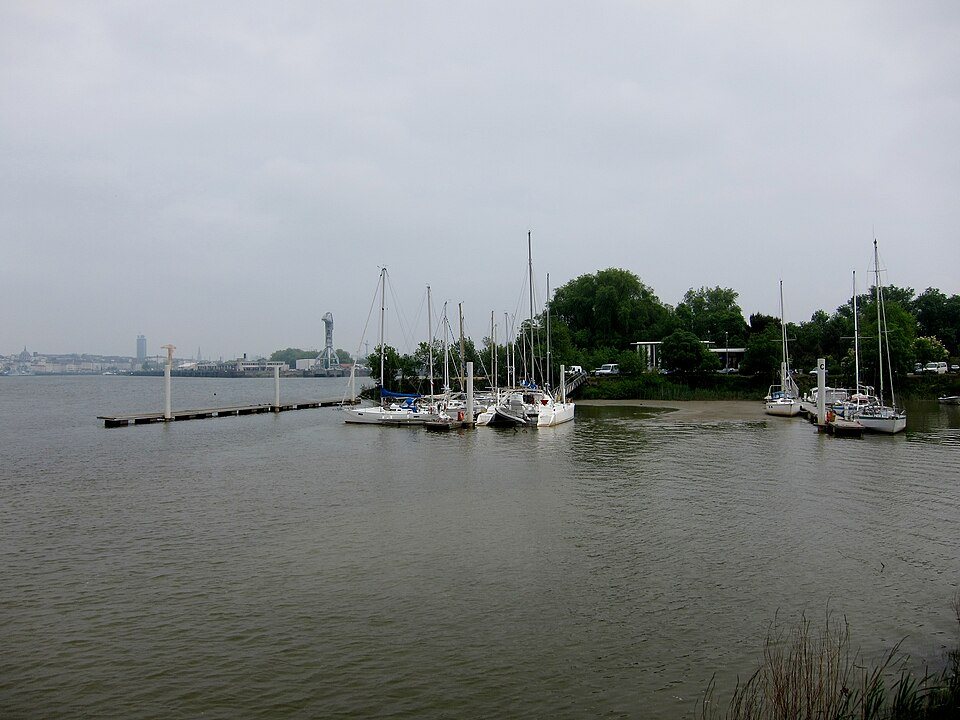
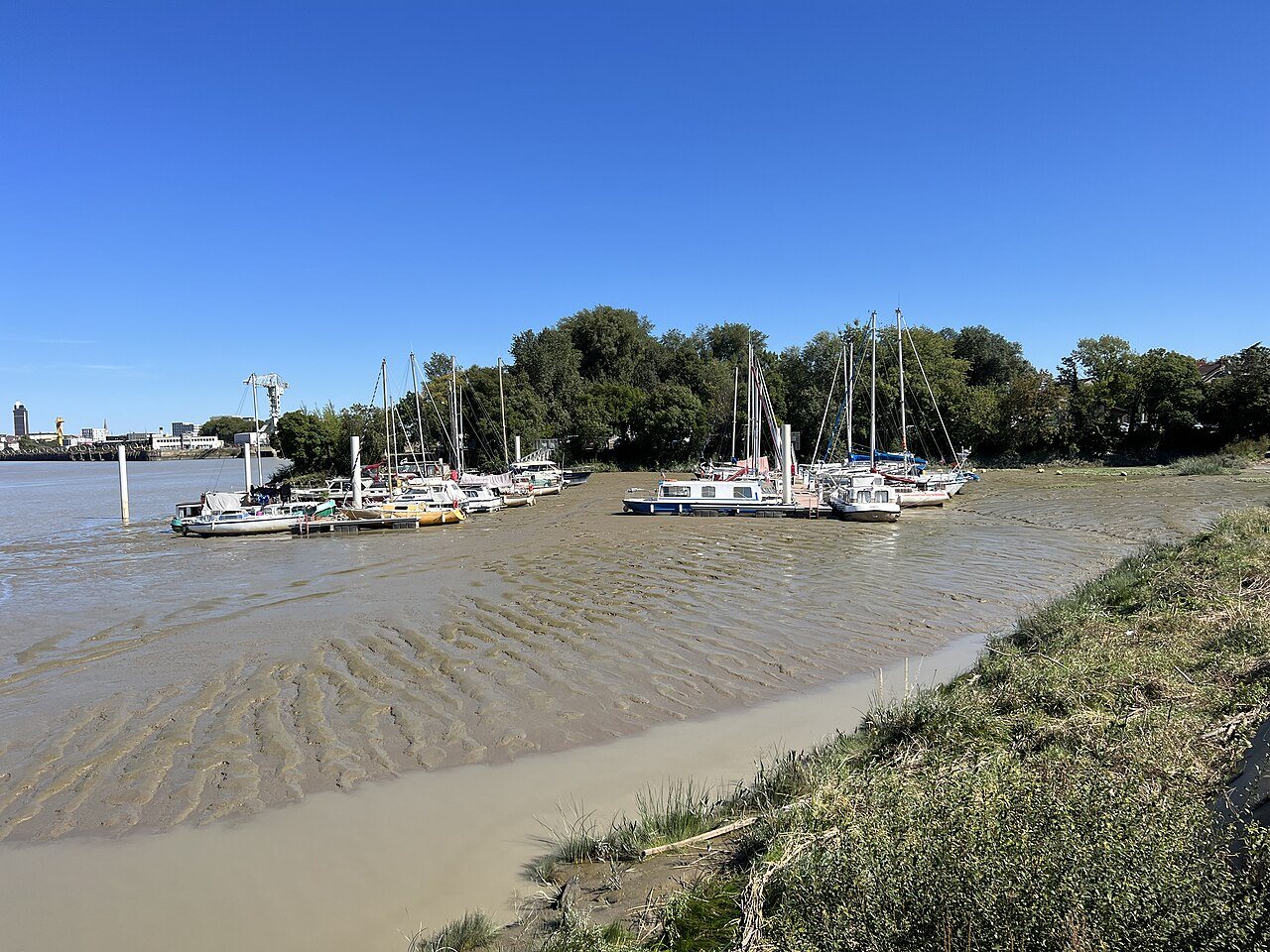
Don't treat Trentemoult as a single photo stop. The village has a working harbor feel in parts, with small boats still moored along the bank, and a handful of independent shops and restaurants that have moved into former fishermen's cottages. Food and drink options here tend to be small and specific rather than geared toward large groups, so if you're planning a meal, it's worth checking ahead what's open rather than assuming you'll find a wide spread of choices; see food and drink for general guidance on how Nantes restaurants tend to operate.
Trentemoult rewards slow walking more than a checklist. Wander beyond the two or three lanes that show up in every photograph, since the color scheme continues into quieter residential streets where you'll see less staged, more lived-in versions of the same painted-house logic, including gardens, back doors, and the odd boat still parked in a driveway rather than the water. If you're building a longer day around the river, Trentemoult pairs naturally with a walk or cycle along the Loire's banks, and it's commonly combined with other riverside stops covered under neighborhoods and day trips for visitors who want to see how Nantes's relationship with its river extends well past the historic center.
In pictures