Walk into almost any bar à vin in Nantes and the house white will be a Muscadet. It shows up so often, and so cheaply dismissed by people who only know it as "that thirteen-euro bottle at the seafood place," that it's worth slowing down and actually reading the label. There's more information on a bottle of Muscadet than on most French wines of its size, and once you know how to parse it, you'll order better and understand why the region built its whole identity around one grape and one wording: sur lie.
What "sur lie" is actually describing
"Lie" means lees, the spent yeast cells left over after fermentation finishes. Most white wines get racked off these lees fairly quickly, then clarified and bottled. Muscadet sur lie does the opposite on purpose: the wine stays in contact with its lees over the winter following the harvest, sitting in tank or barrel without being moved, and gets bottled directly off that sediment the following spring, with no intermediate racking.
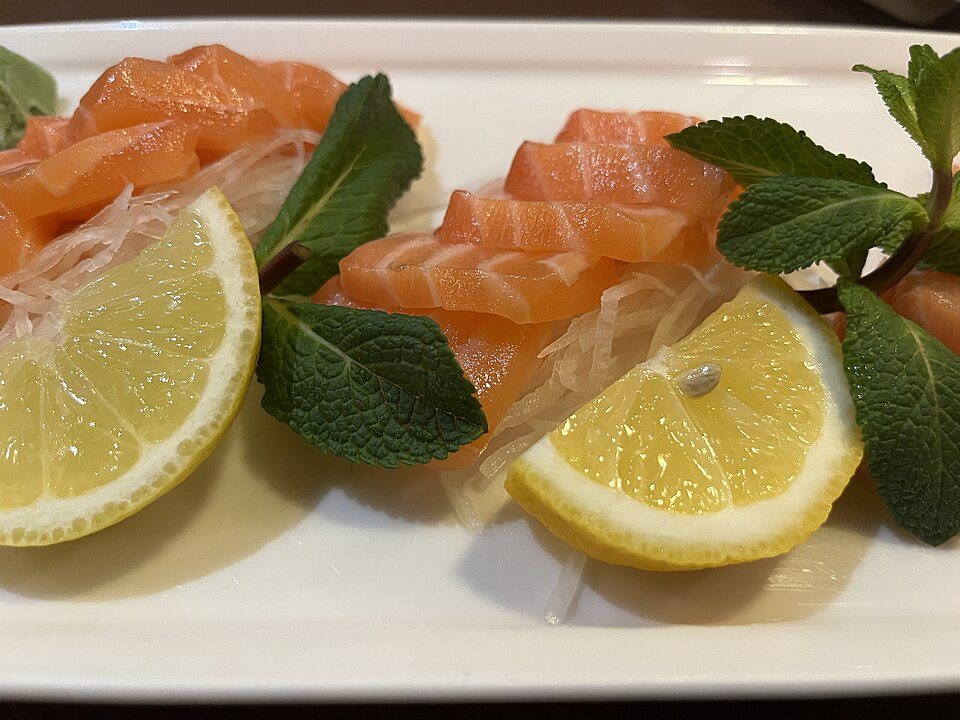
The effect is not subtle if you know what to taste for. Lees contact gives the wine a slight textural weight, a faint bread-dough or saline note, and in many bottles a barely perceptible prickle of carbon dioxide, since the lees can trap a little gas that was never allowed to fully escape. That's the texture people mean when they say a Muscadet feels "livelier" than a basic dry white. It's also why the wine pairs so naturally with oysters and shellfish: the lees give it just enough weight and savoriness to stand up to brininess without fruitiness getting in the way.
Critically, "sur lie" is a regulated term in this appellation, not a marketing flourish. A producer can only put it on the label if the wine was bottled according to the traditional timeline and method, drawn directly off the lees rather than filtered and re-fermented or blended with lees added later for effect. If the label says Muscadet without "sur lie," the wine was handled the conventional way, racked off early. It isn't automatically worse, but it's a different wine, usually leaner and more neutral.
Reading the rest of the label: grape and appellation
Every bottle is made from a single grape, Melon de Bourgogne, sometimes just called Melon locally. It's a grape that doesn't ask for much attention on its own; it's naturally high in acid, light in aromatics, and doesn't tend toward fruit-forward flavors the way Sauvignon Blanc or Chardonnay do. That neutrality is exactly the point. It gives the lees contact somewhere to work, and it keeps the wine a clean match for food rather than something you'd drink for its own perfume.
Below "Muscadet" you'll usually find a second word identifying a sub-appellation, and this matters more than most drinkers assume:
- Muscadet Sèvre-et-Maine is the appellation you'll see most often, covering vineyards along the Sèvre and Maine rivers southeast of the city. It's generally considered the most structured and age-worthy of the group, and the one where you'll find single-vineyard or "cru communal" bottlings from producers aiming higher than entry-level.
- Muscadet Côtes de Grandlieu comes from vineyards around Lac de Grandlieu, south of Nantes, and tends to be lighter and more immediately drinkable.
- Muscadet Coteaux de la Loire sits upstream, closer to Ancenis, on steeper slopes, and can show a bit more minerality.
- Muscadet on its own, without a sub-region, is the broadest and usually simplest version, often from vineyards outside the three named zones.
If a shelf or wine list only says "Muscadet," you're likely getting the basic version. If you want something with more to say, look for Sèvre-et-Maine plus "sur lie," and if you see a village name like Gorges, Clisson, or Le Pallet attached, that's a producer working within one of the newer cru communal designations, which require longer aging and stricter yields, roughly the Muscadet equivalent of a single-vineyard Burgundy.
Where this plays out at the table in Nantes
You don't need to go looking for a Muscadet specialist; the wine is woven into how the city eats. Seafood platters and oyster trays at the brasseries along Quai de la Fosse are built around it, and it's the default pour at most bouchon-style bistros in the Bouffay quarter. Wine bars with a serious by-the-glass list are where you'll actually taste the differences between sub-appellations side by side, since a restaurant with one house Muscadet won't show you the range.
If you want to see where the wine actually comes from, the vineyards begin south of the city past Trentemoult, and a day trip into the Sèvre-et-Maine countryside, with tasting stops at small domaines, is a straightforward way to taste the sub-appellations against each other properly. Several tourism operators around Nantes organize half-day trips out there; check current offerings rather than assuming a fixed schedule, since producer visits are typically by appointment.
One practical note for anyone buying a bottle to take home or drink streamside along the Erdre: Muscadet sur lie is meant to be drunk young, generally within two or three years of the vintage on the label, aside from the higher-end cru communal bottlings built to age longer. A dusty bottle sitting on a shop shelf for five years isn't a treasure, it's just tired. Check the vintage before you check the sub-region; freshness is most of what you're paying for.
What to actually order
If you're at a seafood counter and want the textbook pairing, ask for Muscadet Sèvre-et-Maine sur lie by the glass and see what the house pours. If the list has more than one, ask which is the most recent vintage rather than which is the most expensive; recency matters more here than price tier. And if a server or shopkeeper mentions a specific village or "sur lie" aging period beyond the standard minimum, that's usually a sign of a producer who's proud of the process, worth the extra attention, and exactly the kind of bottle this whole label system was designed to help you find.
In pictures