Every French sauce book treats beurre blanc as a given: a warm, pale emulsion of butter, shallots, and a sharp reduction of wine and vinegar, somewhere between a sauce and a mood. Fewer books mention that the thing was supposedly invented a short way upstream of Nantes, on the stretch of the Loire near Saint-Julien-de-Concelles, by a cook who was trying to make something else entirely.
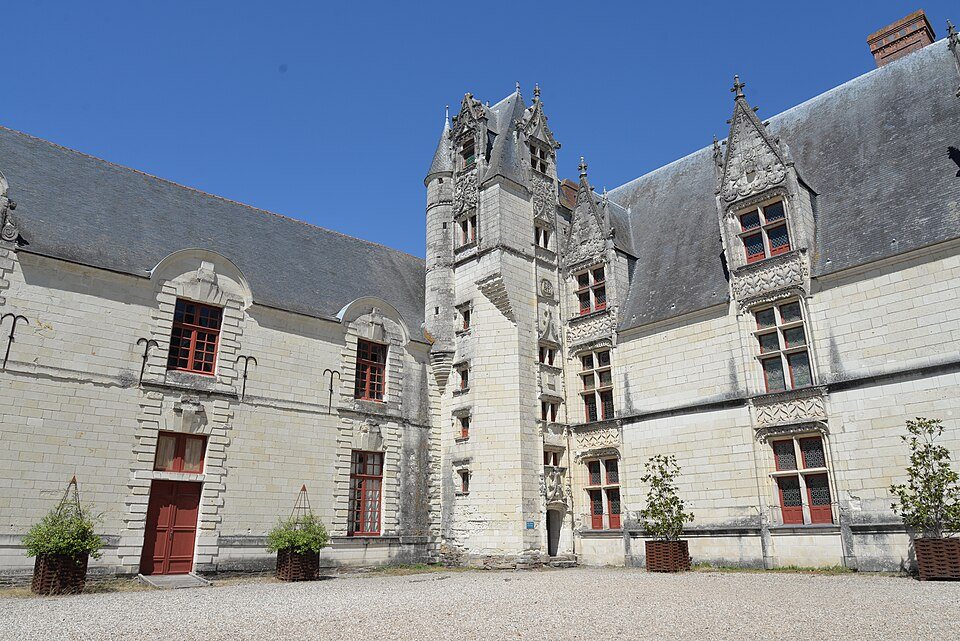
The story, as it's told locally, centers on Clémence Lefeuvre, who cooked for the Marquis de Goulaine in the early twentieth century. She was attempting a béarnaise to go with the pike — brochet — pulled from the river, and either forgot the egg yolks or ran out of tarragon, depending on which version you hear. What came out of the pan was a butter emulsion with no egg in it at all: shallots sweated down in white wine and vinegar, then built up spoonful by spoonful with cold butter until it turned glossy and barely held together. It worked better with the fish than the sauce she'd meant to make. She kept doing it that way, and the dish — brochet au beurre blanc — became hers.
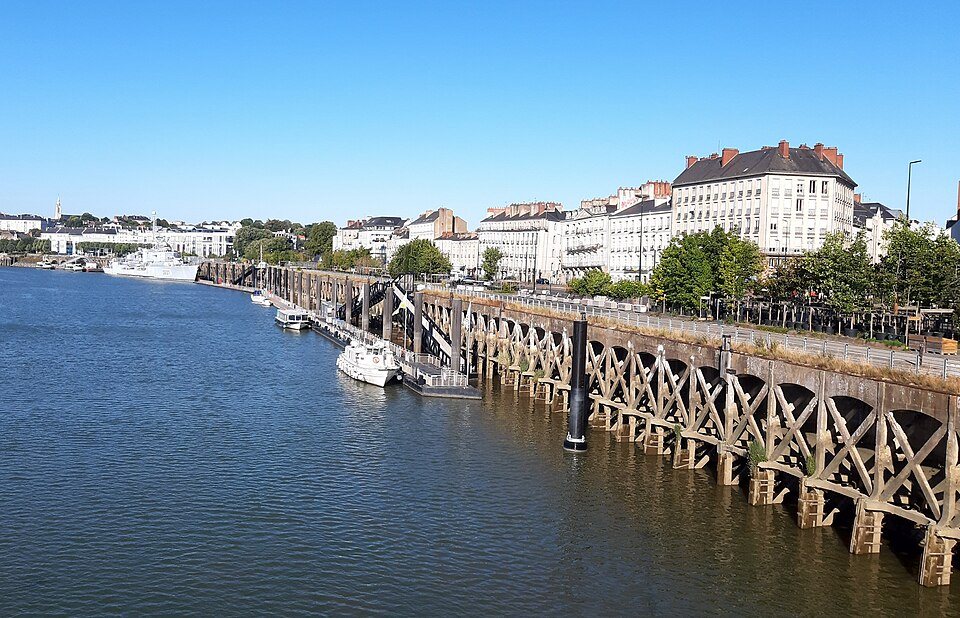
Whether it happened exactly like that is impossible to verify, and no restaurant plaque or regional museum is going to settle it for you. What's solid is the geography: this part of the Loire, just upstream of Nantes, was pike-and-shad country before the river was dredged and dammed into something tamer, and the sauce was built specifically to sit on freshwater fish that needed help. Butter emulsions existed elsewhere in French cooking, but the Nantes version — no egg, just butter and acid and patience — is the one that stuck and spread.
Why the sauce needed this particular river
Beurre blanc isn't a sauce you can explain without talking about what it was poured over. Pike is lean, faintly muddy, and falls apart if you're not careful; it needs fat and acid to make sense on a plate, not a rich reduction that would bury it. The wine in the sauce was local too — Muscadet, grown on the hills just south and east of the city, dry and sharp enough to cut through all that butter without arguing with the fish underneath it.
That pairing — Loire pike or shad, beurre blanc, a glass of Muscadet grown within sight of the river — is the actual regional dish, more than any single ingredient on its own. Shad (alose) is harder to find on menus now than it used to be, since the fish population on this stretch of river has dropped, but pike-perch (sandre) has largely taken its place and takes the sauce just as well. If a menu in Nantes lists either one "au beurre blanc," it's leaning on this exact story, whether the kitchen knows it or not.
Where to actually taste it in Nantes
You don't need to drive out to Saint-Julien-de-Concelles to eat the dish properly; Nantes kitchens have been making it for over a century. The more traditional, white-tablecloth end of the restaurant scene around Place Graslin and the Bouffay quarter tends to keep it on the menu in some form, usually with sandre or another river fish rather than pike itself. It's worth asking what fish is actually under the sauce before you order — beurre blanc gets used loosely these days, ladled onto things it was never built for, and a kitchen that respects the dish will tell you plainly what you're getting.
Across the river, the fishing village feel of Trentemoult makes it a reasonable place to look for a simpler, less fussed-over version, closer to what a household cook might have made for a weekday dinner rather than a dining-room showpiece. Along Quai de la Fosse and the newer dining stretch near the Hangar à Bananes, you'll find it updated — on scallops, on other white fish, sometimes thinned into a drizzle rather than the thick, almost custard-like sauce Lefeuvre is supposed to have made. Neither version is wrong, but if you want the dish closest to the origin story, ask for pike or sandre specifically and expect something substantial enough to coat the back of a spoon.
The mistake worth avoiding
The common error, both in home kitchens and in restaurants trying to modernize the dish, is treating beurre blanc as a cream sauce with better branding. It isn't. Done right, it has no cream, no flour, no stabilizer beyond technique — just butter worked into an acidic reduction over gentle heat until it emulsifies, which means it breaks easily if a kitchen rushes it or lets it sit too long under a heat lamp. A beurre blanc that tastes heavy or separates into an oily sheen on the plate has usually been made the easy way, with cream added to keep it from splitting. The real version is lighter than people expect, sharper than a cream sauce, and meant to be eaten promptly rather than held.
If you're building a day around Loire food history rather than château towers or the Machines de l'île, this is a good anchor for it: a plate of sandre or pike in beurre blanc, a glass of Muscadet from the hills just outside the city, and the knowledge that the whole thing may have started as a mistake with a missing egg yolk on a riverbank a few miles from where you're sitting. For more on where Nantes eats and drinks well beyond this one dish, the wider food and drink coverage is the place to keep browsing.
In pictures